
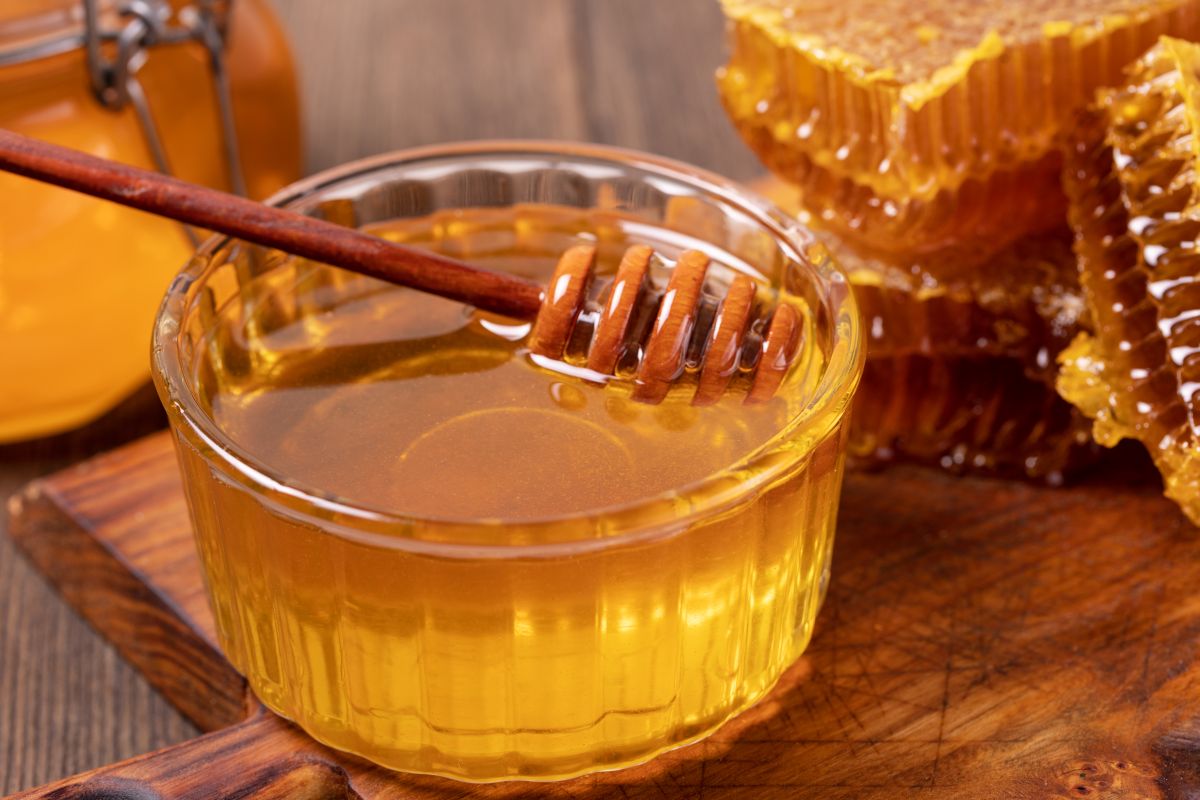
Added sugar is one of the biggest threats to our general health, and our liver takes most of the damage. With honey being mostly sugar, you’re probably wondering if you can eat it or not if you have fatty liver disease. Today, I will answer your question.
If you don’t want to go through all the details, here is the quick answer:
If you have fatty liver disease, you should limit the amount of honey you eat. It is high in fructose, a type of sugar that can contribute to fat buildup in the liver. But consumed in moderation, honey can help MASLD patients thanks to its antioxidant properties, anti-inflammatory effects, and potential hepatoprotective potential.
After being diagnosed with NAFLD, I initially switched from eating sugar to sweetening everything with honey (using tiny amounts only), after eventually switching to zero-carb, liver-friendly sugar alternatives (especially Stevia).
With these in mind, let’s get a bit more in-depth and learn everything we should know about honey and its safety when also dealing with fatty liver disease.
Honey and its potential benefits for the liver
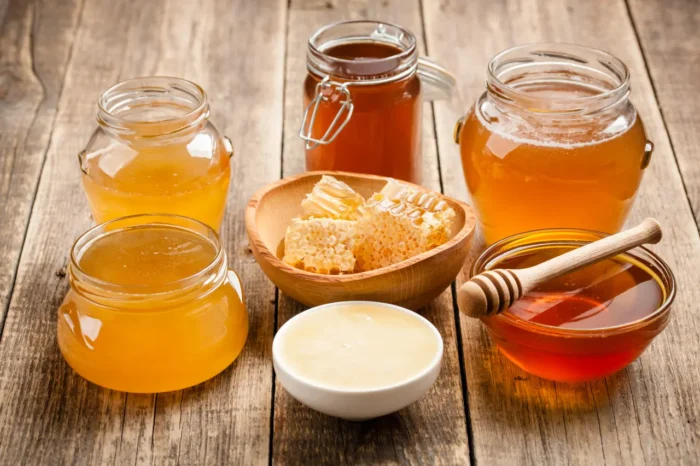
Honey has plenty of carbs at around 80% sugar, but the big picture might not be as scary as the numbers make it look.
It appears that honey possesses all the right tools to help treat – or, in the best-case scenario, prevent fatty liver disease, according to various studies like this one.
The study found that “Consumption of fructose-rich honey and fruits improved the status of inflammatory markers and liver enzymes compared with the industrial fructose-rich products.”
This means that our body will process the natural sugars in honey (and fruits, as I keep saying) differently than the artificially made ones, making them safer to consume.
Apart from this study, there are various ones (source: here) that praise the benefits of honey for liver health. These are:
1. Antioxidant Properties: Honey is rich in antioxidants like flavonoids and phenolic acids. These compounds help combat oxidative stress, which can damage liver cells over time.
2. Anti-Inflammatory Effects: Chronic inflammation is a key factor in fatty liver disease. Honey’s natural anti-inflammatory properties may help reduce liver inflammation and promote healing.
3. Hepatoprotective Potential: Various studies found that honey may have hepatoprotective effects, meaning it can help protect the liver from toxins and improve its function. (This study here, more studies here).
4. Detoxification properties: The nutrients in honey can aid the liver’s detoxification processes, helping to eliminate harmful substances from the body more efficiently.
Important: As I have mentioned on the Fatty Liver Diary website, this pertains to individuals with fatty liver disease who do not also have diabetes.
In that case, things will change and most likely honey is not recommended in your diet. Always talk to a doctor to know what works for your particular situation!
Despite its potential benefits, I have to repeat the important thing: only consume small amounts of honey each day if you’re trying to reverse fatty liver disease. Which brings us to the next important question:
How Much Honey Can You Safely Eat with MASLD?

I mentioned earlier that honey is composed mostly of sugar. Limiting sugar consumption is essential when trying to reverse MASLD and stay healthy overall.
This means we should only have small amounts if we choose it as our go-to sweetener.
I recommend having no more than the equivalent of one teaspoon of honey each day. Ideally, you want to consume much less and avoid eating it daily.
For example, I initially used about 1/4 teaspoon of raw honey to sweeten my coffee each morning, but now I can drink it without any added sweetener – and that’s the best way to enjoy your coffee!
Things to know: One teaspoon of honey has about 6 grams of sugar.
Best Honey Brands for You
Honey comes in all sizes and shapes, with some types of honey being better than others. Therefore, it’s safe to say that shopping for honey is no easy task!
One of the most important things to know when choosing your honey is this: it has to be raw honey. This means that it was not processed, boiled, or had any sugars added. It’s the perfect, natural honey that you get directly from the bees.
Most stores serve processed honey, which is at least boiled in order to extend its shelf life, but also remove potential bacteria. Therefore, your source for raw honey should be trustworthy.
You should also pay attention to the color. Darker honeys, like Buckwheat or Manuka honey, have significantly higher antioxidant profiles than lighter varieties.
Below, I have two recommendations for raw honey you could try. These are well-known brands that take food safety seriously (and the honey tastes amazing!).
(Please note: I get commissions if you make a purchase through the links below, at no extra cost to you.)
Nate’s Organic Raw & Unfiltered Honey
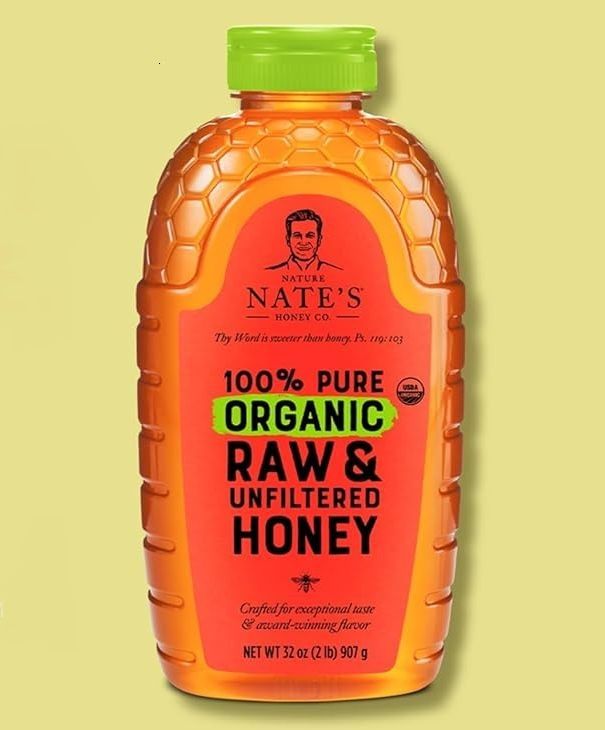
This particular honey is organic, raw, and unfiltered. In my opinion, it’s the best choice when it comes to high-quality honey, coming from a trustworthy brand.
And, even though a bit more expensive than your regular honey, this will last a long time (around 4 months if you stick to 1 teaspoon per day). So overall, not that bad price-wise either.
Click here to check it out on Amazon
Pure Raw Honey
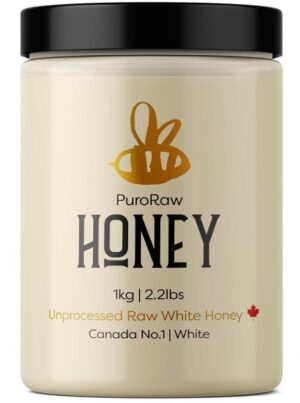
This is another amazing raw honey that I really enjoy serving. This one is made in Canada and is unprocessed, white honey. I like the taste even though the color is a bit strange in my opinion.
The company that produces it considers it one of the finest in the world. I highly recommend it if you want something unique.
However, in the end, even if you want to choose a different product, make sure that it is RAW honey that you choose (unpasteurized and not processed in any way). That’s the best honey for fatty liver.
Honey vs. Other Sweeteners
Since the goal is keeping your liver healthy while satisfying your sweet tooth, let’s quickly look at honey versus other popular sugar substitutes I’ve talked in depth here on the website:
| Sweetener | Impact on Liver & Health |
| Honey | Contains natural antioxidants but packs 6 grams of sugar per teaspoon. Best used sparingly. |
| Stevia | A zero-calorie, zero-carb natural sweetener. It does not spike blood sugar or impact the liver. |
| Erythritol | A sugar alcohol that passes through the body mostly unmetabolized. Not recommended after recent studies linked it to various health risks. |
| Monk Fruit | Another excellent zero-calorie natural option that provides a clean, sweet taste. |
As you can see, you have options and that is always a great thing!
Wrapping up
Honey should not be your go-to food after being diagnosed with fatty liver disease, but we saw above that it’s not as bad as its carb content might make it seem, and, with moderation in mind, we can still consume it.
Don’t take it as medicine (as some people suggest). Use it sparingly to replace sugar, if you can’t eliminate it from your diet.

I was diagnosed with fatty liver in 2014 and successfully reversed it by mid-2015 using a natural diet and lifestyle changes. Since then, I’ve dedicated over a decade to researching this condition and helping others navigate their own recovery. I am the author of ‘From Fatty Liver to Healthy Liver’ and the founder of this community. My goal is to translate complex medical studies into practical, real-world advice that actually works, combined with my personal experience on the matter.