
Note: This article is based on my personal experience and research. I am not a doctor or a dietitian, and this content is for informational purposes only. Always consult with your healthcare provider before making any changes to your diet or lifestyle.
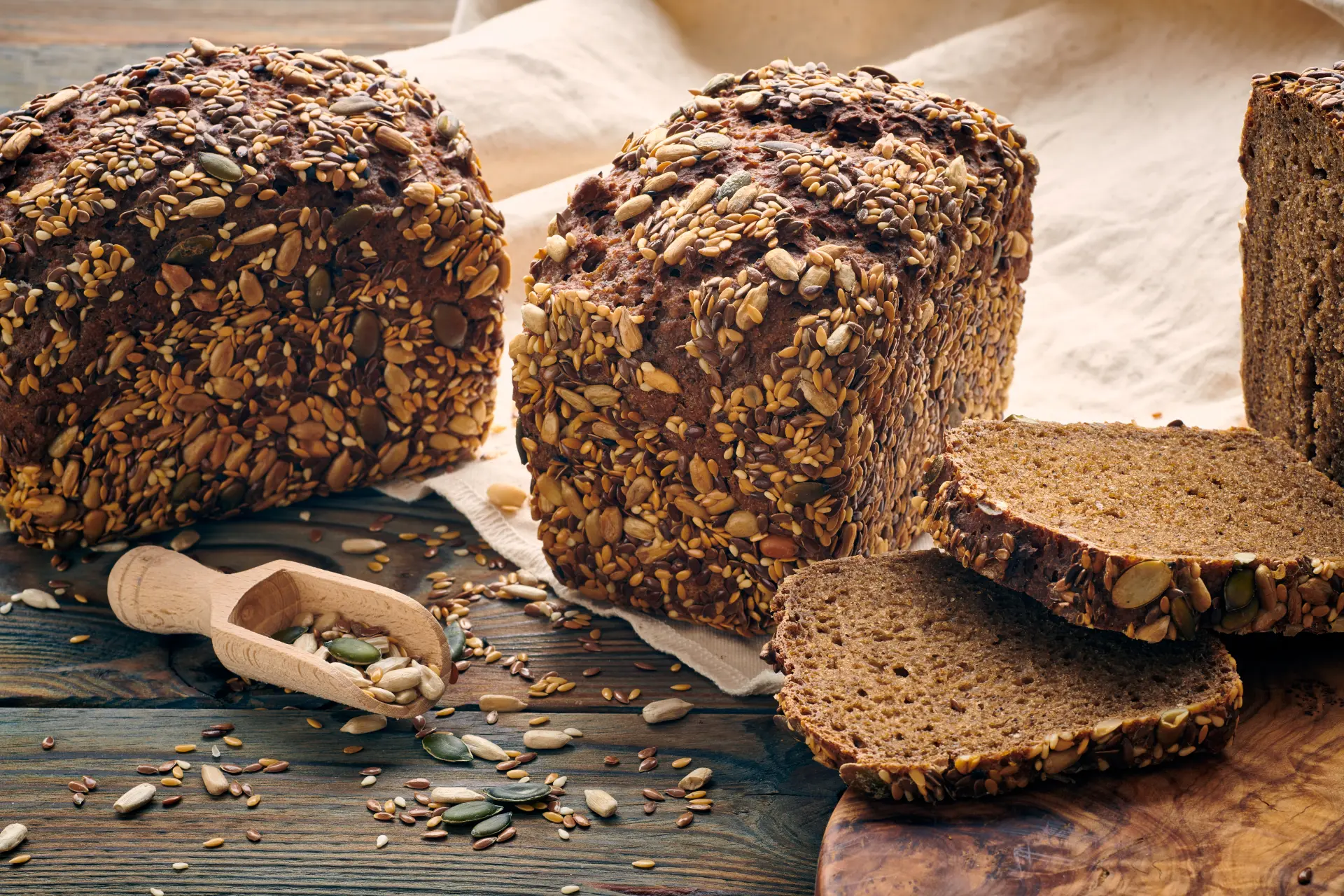
Bread is a delicate subject when it comes to fatty liver. Generally speaking, you should stop eating bread if you have NAFLD – this is clearly the best approach.
But while every doctor or nutritionist will tell you to avoid bread, the truth is that most people simply won’t or can’t because bread is too tied to how we eat, just like rice or pasta.
So let’s be practical instead! If you have fatty liver disease (MASLD – formerly NAFLD) and still want to enjoy bread now and then, I am here to help by sharing the best type you can have. There are a few options, so that you can choose the one that fits your style better.
In my opinion, the best bread to eat if you have fatty liver disease is keto bread (click to find out more about it).
Other alternatives include rye bread, whole wheat bread, and sprouted bread. All should be consumed in moderation – and if you need to learn more about each type and why I recommend it, read on!
Best Bread for Fatty Liver – Ranked
In a previous article, we talked about eating bread with a fatty liver, but if you don’t want to read it, here’s the tldr: white bread is all refined carbs, few nutrients and fiber, and very easy to overeat. It can cause sharp spikes in blood sugar and insulin, and eventually fat accumulation in your liver.
With these in mind, here are the better alternatives, ranked from best to worst on my preference scale (but they are honestly all much better than regular white bread).
1. Keto Bread – Best Bread Alternative for Fatty Liver Disease
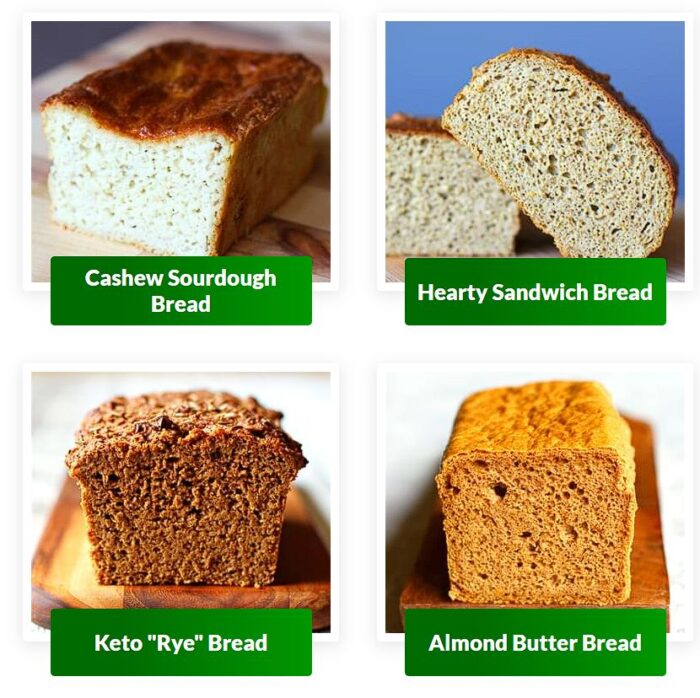
I discovered these a few years ago, and I’ve been a fan ever since. It’s worth noting that you should make your own at home, as those found in stores are usually prepared using preservatives and other ingredients our liver doesn’t need.
I recommend baking your own using the recipes in the Keto Breads book (or read my full impressions in this article). Definitely worth checking, as you get a lot more than just bread recipes!
You can also try winging it yourself with a pre-made mix like this one (affiliate link), but I still believe that if you’re just starting your keto bread journey, you should get the recipe book first.
2. Rye Bread – My Original Favorite
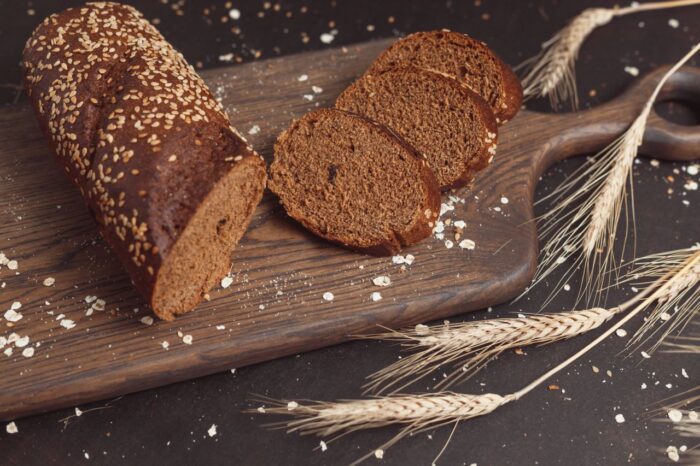
This is the type of bread I ate mostly after being diagnosed and before discovering Keto Breads. I still have it regularly, as it’s easier to find 100% healthy options in stores.
It’s packed with fiber, which helps digestion and slows sugar absorption. It also has fewer carbs than white bread and it’s generally considered the safer option.
The downside? Its taste. No need to sugarcoat it (pun intended!) – rye bread is bitter and dense and different than the fluffy white bread we used to eat. Most people find it too earthy, almost sour, but it is what it is. Your taste buds will adapt quickly!
Or you can mix rye bread with whole wheat flour to make it taste better and more like “regular” bread. It’s easy to make: For a loaf, mix 150 grams of rye flour with 200 grams of whole wheat flour, add dry yeast, salt, and water, prepare it like you would any bread and enjoy.
Of course, you could try making it from rye flour exclusively and see if you can accept the taste. Some like it from the beginning.
In conclusion, rye bread is a good option for fatty liver disease – but make sure to bake your own at home or buy those that only use basic ingredients. Most rye bread in stores have added sugars, coloring and/or preservatives and some even have white wheat added.
So get your own rye flour (affiliate link) and prepare your own at home. If you don’t like the taste, use the recipe I shared above.
3. Whole Wheat Bread
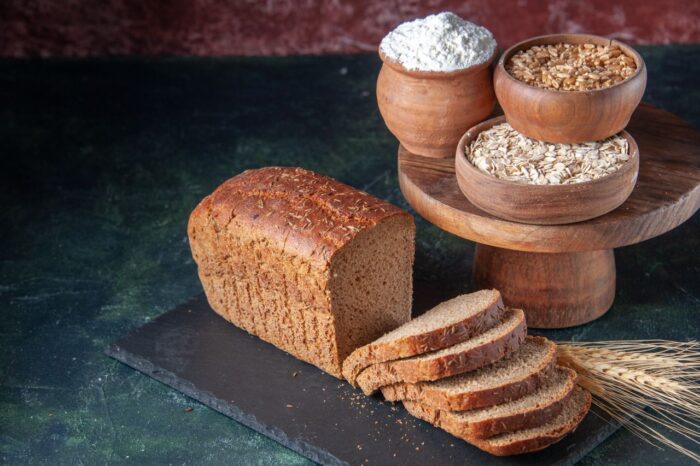
If you’re looking for something that still feels like traditional bread, whole wheat is your next best option.
While it is still wheat that you consume, it’s still a lot better than white flour, as it is not unnaturally bleached, and it has more fiber, making the sugar absorption slower and helping digestion overall.
The good thing about whole wheat bread is that it’s also the easiest to find in stores – just make sure to double-check that you indeed get whole wheat flour without added preservatives, sugar of any kind, chemicals, or additives. Ideally, your bread should only have flour, yeast, salt, and water (and eventually seeds).
Again, your best bet here is to prepare your own at home because you have control over the ingredients.
I recommend buying a bread maker – even a basic one like this (affiliate link) does a really good job and also works for the Keto Breads I talked about earlier. You only need to add the ingredients and take out the bread when it’s done!
Bonus: The smell of freshly baked bread in the kitchen is absolutely amazing. This is how I’ve been preparing my bread at home using a bread maker since 2015 and the entire family loves it!
4. Sprouted Bread
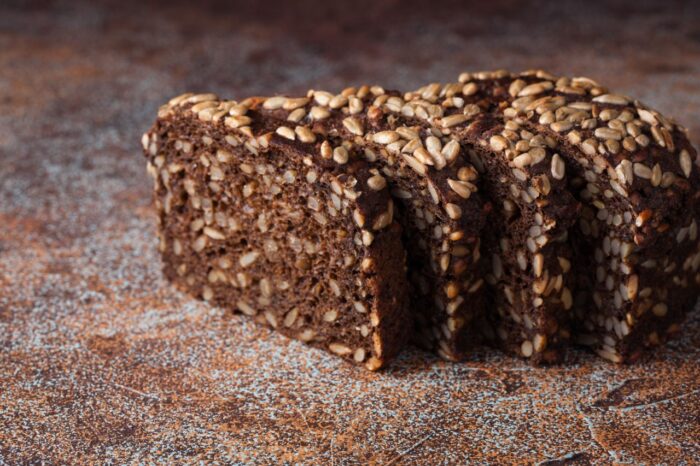
This is another option that you have to the regular white bread. I am not entirely sure if you could bake this at home (I never tried it myself), but you have the Food for Life brand (formerly Ezekiel) offering an easy option (affiliate link).
This type of bread is made from sprouted whole grains, offering more nutrients than regular flour and being, therefore, a healthier option.
The sprouted grains bread doesn’t increase blood sugar levels as much as other types of bread, while keeping the carb counts lower. It’s not the easiest to bake at home or buy from stores, but it’s an option to consider.
5. What About Gluten-Free Bread?
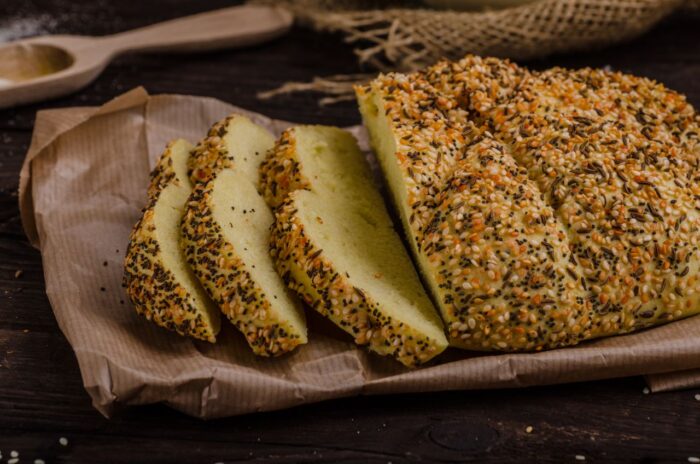
This is one of the most common questions I get. Gluten-free doesn’t necessarily mean healthier – on the contrary, especially when you’re dealing with fatty liver.
Most gluten-free breads are made with refined starch mixes that include rice, potato, and tapioca flour. These will spike your blood sugar almost as much as white flour.
Add to that the fact that many are also paired with extra sugar, preservatives, and various other processed ingredients, and you have something you should stay away from even if you’re healthy.
Unless the gluten-free bread is made from whole grains or nut flours, it’s usually not a good option – so make it a habit to read the label or make your own at home. The best options for gluten-free bread are those using almond, flaxseed, or coconut flour. They’re lower in carbs and more nutrient-dense.
Wrapping up
I’ve touched on the “bread” subject a bit when I shared my recommended fatty liver diet, but at the same time, I haven’t placed it on the list of foods to stop eating if you have a fatty liver.
My approach (and keep in mind that I managed to reverse my fatty liver) was to still eat bread on an almost daily basis.
While I did have days when I didn’t eat any at all, I usually ate between one to three slices per day. Once in a blue moon, I probably ate a bit more.
So in such small quantities – and especially by eating a type of bread that is as liver friendly as possible, you don’t really have to stop having it.
Sure, you can’t have the white bread you are probably used to, but you will see that the alternatives are not that bad.

I was diagnosed with fatty liver in 2014 and successfully reversed it by mid-2015 using a natural diet and lifestyle changes. Since then, I’ve dedicated over a decade to researching this condition and helping others navigate their own recovery. I am the author of ‘From Fatty Liver to Healthy Liver’ and the founder of this community. My goal is to translate complex medical studies into practical, real-world advice that actually works, combined with my personal experience on the matter.
Was diagnosed with fatty liver. Reading about the bread is really good as I find it extremely hard to go without just need to buy a breadmaker and ingredients now.
I didn’t manage to cut bread off my diet entirely either and still reversed my fatty liver, so it’s doable. Good luck!
I reversed my fatty liver, and now eat whole wheat, Rye, or pumpernickel bread, but I miss my sourdough bread, is sourdough okay?
Absolutely, as long as you make it with whole wheats. And congrats for reversing your fatty liver!
I’m new to this. Thank you so much for all the info. Is multi-grain store bought bread a good choice? I was told wheat is not good for us. Told that years ago and have not eaten it since. Thanks in advance for any info.
It really depends – you need to check the list of ingredients. If it’s only whole wheats, water and salt (maybe some seeds and other natural things), then it is safe to eat. But most have preservatives, fats and many other baddies that we should stay away from.
I live in a country where alternatives are hard to come by so my doctor recommended sourdough. Is this any better than regular bread?
If you’re using whole wheat or rye for the bread, it is a good alternative, yes.
Was just diagnosed with fatty liver and I’m scared. I’m German so bread is my life.
I am devastated but will make better choices when it comes to bread. It’s a crime how toxic American food is and nobody protest about that.
Hi, I have diagnosed with fatty liver, also have very high cholesterol and calcium so not finding it easy. Anyways I have been eating 2 thin slices of sourdough bread is that a good option? I need to have a week example of what my meals etc should look like. HELP
I have exactly that on the site, a weekly menu example: https://www.fattyliverdiary.com/fatty-liver-meal-plan-for-a-week/
As for the bread, sourdough or not, you should switch to eating whole wheat bread or the so-called keto breads (I also have a review of these on the website).