

What if I told you that a simple activity – something as fun and nostalgic as riding a bike – could not only bring a smile to your face but also help reverse fatty liver disease?
That’s indeed the case, so buckle up (or strap on that helmet), and read on to find out why cycling is a great form of exercise for NAFLD/MASLD.
If you’re anything like me, the idea of exercising – even for reversing fatty liver – can feel as intimidating as trying to assemble IKEA furniture without the instructions. But it’s one of the lifestyle changes you have to implement, and you will see it’s not that difficult either.
Let me pedal you through why cycling works, how to start, and what to expect along the way.
How Cycling Reduces Liver Fat in MASLD
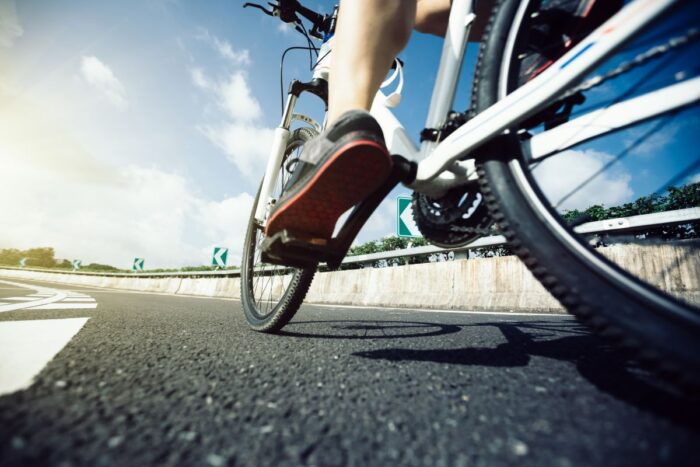
First of all, any type of exercise is better than no exercise at all. You must bring some sort of physical activity into your daily life – walking more, cycling more, working out at home, or going to the gym. You have options – read more about them here.
I waited for a few months before starting to exercise (as I was already losing weight too fast) but once I hit that plateau, it was cardio exercises such as cycling that helped me keep going.
Biking is great for fatty liver because it can reduce hepatic fat content – the fat suffocating your liver – thus helping your quest to reverse this condition.
MASLD (as fatty liver is called nowadays) is associated with obesity and a sedentary lifestyle.
Not only does cycling help reduce the fat in and around your liver, but it also improves your overall health. Plus, it’s a low-impact workout, meaning your joints won’t hate you afterward.
Plus, it is a low-impact workout, meaning your joints will not hate you afterward.
I know from personal experience that it’s not an easy thing to do. Starting to exercise again – no matter if it’s cycling, jogging, or anything else – feels like a major chore. And it will be hard at first.
I remember the day I decided it was time to add cycling to my routine. My old bike had been sitting in the garage, gathering dust, and I felt as out of shape as its flat tires.
But I pumped them up, wobbled down the street, and felt something I hadn’t in a long time: hope. That ride was short, awkward, and sweaty, but it was a start. And sometimes, that’s all you need: just start!
Just keep pedaling, don’t give up, and you will thank yourself later (and so will your liver)!
Remember: You Cannot Out-Pedal a Bad Diet
Even though cycling is indeed a powerful tool, it most likely won’t do wonders by itself. You must help it with your (new) diet.
What I mean is that you cannot eat highly processed foods, ignore your caloric intake, and expect a bike ride to cure your liver.
My success came from combining cycling with a caloric deficit and a liver-friendly eating plan like my modified Mediterranean diet.
Why Cycling Works (According to Science)
Studies have shown that aerobic exercises like cycling reduce liver fat by improving your body’s ability to burn fat and decreasing inflammation. One study you can check here found that cycling helped men put MASLD into remission.
Another, from the Molecular Metabolism journal, showed that cycling helps prevent fatty liver disease.
The University of Eastern Finland supports cycling as an integral part of the treatment of NAFLD after a 12-week randomized controlled study. Cycling helps lower excess delivery of free fatty acids and glucose synthesis to the liver.
Cycling is also one of the best ways to reduce the risk of developing additional health problems such as cardiovascular diseases. Or, as is our case, help fix existing problems.
Some other health benefits of cycling include things that might not be directly related to MASLD, although some can be:
- Increased muscle strength and flexibility
- Improves joint mobility
- Ease feelings of stress, anxiety, and depression
- Improves cognitive function
- Improves balance, coordination, and gait
Cycling is not only environmentally friendly but also beginner-friendly. If you have difficulty balancing on a standard bike, you can opt for a stationary or recumbent bicycle.
Stationary Bikes and Recumbent Options
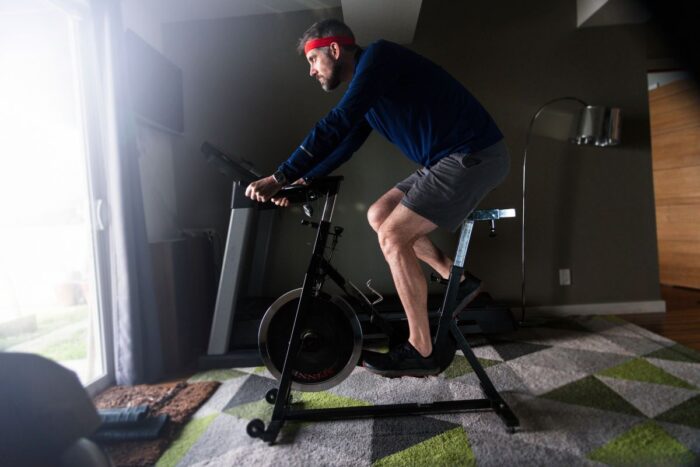
A stationary bicycle (or a more comfortable recumbent one) offers all the metabolic benefits of cycling with none of the weather excuses.
You can even pedal in your pajamas and binge-watch your favorite Netflix series in the meantime. Plus, cycling indoors also means no bugs in your teeth and you can quickly do 15-minute sessions when you have some free time (although longer ones are welcome too).
If you’re considering one, here are some budget-friendly options (affiliate links below):
- Yosuda Indoor Stationary Cycling Bike – Affordable and sturdy. Great for beginners. It can hold a maximum of 270 Pounds.
- Schwinn IC3 Indoor Cycling Bike – It comes with a fully adjustable ventilated race-style seat. It can hold around 300 pounds and is highly rated, but also more expensive.
- MERACH Exercise Bike – Easy on the wallet but still effective. For weights up to 300 lbs.
- Schwinn Fitness Recumbent Bike – Comfortable, with an oversized, ventilated seat that provides excellent lower back support. It holds up to 330 pounds
Biking & Zone 2 Cardio
If you want to maximize your time on the bike, and also optimize the benefits, you must know what Zone 2 Cardio is (and, as you will see, it’s a lot simpler than it might seem).
Zone 2 Cardio means exercising at roughly 60 to 70 percent of your maximum heart rate. At this specific intensity, your body primarily oxidizes (or burns) fat for fuel rather than relying on carbohydrates.
The most common method for calculating your maximum heart rate is deducting your age from 220. So if you’re 50, your maximum heart rate is 170, which means that Zone 2 Cardio for you is between 102 – 119. Easy.
How Much Should You Cycle if You Have MASLD?
The American College of Sports Medicine recommends at least 150 minutes per week of cycling activity for anyone with chronic liver disease, including fatty liver.
Don’t start by trying to win the Tour de France, especially if you haven’t done any exercise for a while now. Begin with 10-15 minutes a day and slowly build up to 30-60 minutes. Consistency beats intensity every time.
Don’t skip these warm-up and cool-down sessions. A quick warm-up gets your muscles ready and reduces the risk of injury, while a cool-down helps prevent soreness later.
And remember: whenever you feel uncomfortable, just stop, take a break, and try again later.
Pro Tip: On days when cycling feels like too much, mix it up with walking or swimming. The key is to keep moving.
Combining Aerobic and Resistance Exercises for MASLD

Other aerobic exercises – swimming, walking, running – have been proven effective in helping reverse fatty liver disease according to a study conducted by the Alimentary Pharmacology and Therapeutics.
If you can handle it, resistance training could also be a great alternative. It has significant advantages in reducing liver fat as well as total body fat.
Just check out the table below to get an overview of how each type of exercise works and why it’s important to mix them up:
| Exercise Type | Calories Burned (30 min) | Impact on Liver Fat Reduction | Joint Impact Level | Equipment Needed |
|---|---|---|---|---|
| Cycling (Outdoor) | ~250-500 | High | Low | Bicycle |
| Stationary Cycling | ~200-400 | High | Low | Stationary Bike (or Gym Membership) |
| Walking | ~150-200 | Moderate | Low | Walking shoes |
| Swimming | ~200-350 | High | Very Low | Pool Access |
| Jogging | ~300-450 | High | High | Running Shoes |
| Resistance Training | ~100-300 (varies) | Moderate | Moderate | Dumbbells/Bands/ Gym Membership |
The Bottom Line
Cycling is a liver-loving powerhouse that can help reverse fatty liver disease. Pair it with a healthy diet and a splash of determination, and you’re on your way to better health.
I recommend exercising – be it aerobic, resistance, or a combination of both – for at least 30 minutes each day or 3 hours per week. You might not be able to do it each day but aim for at least 4 times per week.
So what are you waiting for? Get that bike off your garage and start cycling!
I need your help to keep this website alive! Consider becoming a Patron to help me achieve that. Thank you!

I was diagnosed with fatty liver in 2014 and successfully reversed it by mid-2015 using a natural diet and lifestyle changes. Since then, I’ve dedicated over a decade to researching this condition and helping others navigate their own recovery. I am the author of ‘From Fatty Liver to Healthy Liver’ and the founder of this community. My goal is to translate complex medical studies into practical, real-world advice that actually works, combined with my personal experience on the matter.