

It seems like stress and the modern way of living go hand in hand. But could stress be one of the factors that might cause fatty liver disease? And even more so, could it prevent you from reversing your condition?
While the obvious problems to blame for liver issues are the diet and lack of exercise, modern research proves that chronic stress is a significant, independent risk factor for Metabolic Dysfunction-Associated Steatotic Liver Disease (MASLD)—the condition formerly known as NAFLD or fatty liver disease.
In this article (which will probably be very long and personal), I will tell you my story – which is very relatable, imho – but also what is the expert opinion in regards to stress and fatty liver.
It’s an important read, so go through it carefully, as it could be your Aha! moment and give you an extra weapon to fight your condition and cure your fatty liver.
What is stress?
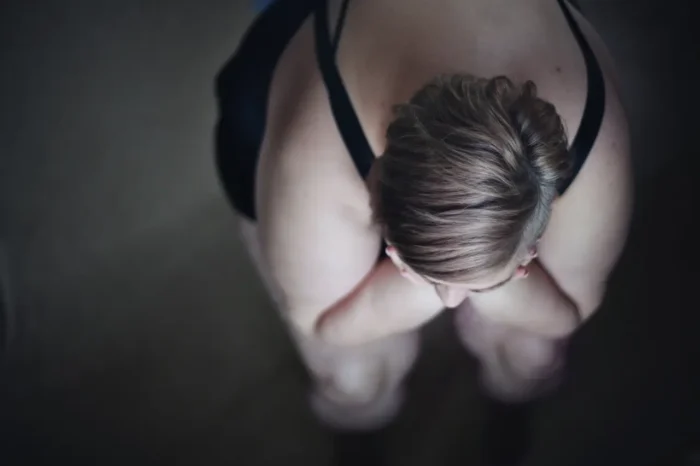
In medical terms, stress is the body’s physiological response to pressure or perceived threats.
While the “fight or flight” response is a survival mechanism intended for short-term use, modern life keeps most of us in a state of constant, low-level activation.
Being long-term under this constant pressure, we can experience mental problems, feel overwhelmed, unable to cope, tired, and/or cranky. As it advances, we’ll be anxious, sad without reason, and even depressed.
Stress is indeed a tough beast to fight against, especially since dealing with it usually means removing the source of stress: which, in many cases, is very difficult, as it is a job or a family situation that you cannot simply walk away from
Before getting to my personal story and how I managed to deal with stress, we’ll discuss the more “technical” aspect – in case that’s what you came here for and nothing else.
The Biological “Missing Link”: How Stress Deposits Fat
To understand why stress causes liver damage, you have to look at your hormones. When you are stressed, your adrenal glands pump out cortisol.
This hormone tells your body to release stored glucose (sugar) into the bloodstream to provide energy for a “fight.”
But since you aren’t physically fighting or running, that sugar stays in your blood. To manage this spike, your body releases insulin.
High levels of insulin are the primary driver of fat storage in the liver. Over time, chronic stress keeps insulin levels elevated, effectively forcing your liver to create and store fat even if you aren’t eating sugar.
There is also the Gut-Liver Axis that some experts consider to be real and a potential link between stress and fatty liver.
Chronic stress increases intestinal permeability, often called “leaky gut.” This allows bacteria and toxins to enter your bloodstream and travel directly to your liver. This causes the inflammation that turns simple “fatty liver” into more dangerous stages of the disease.
So… can stress cause fatty liver disease or liver problems?
My personal experience (more on this below) makes me believe that there is a direct connection between high-stress levels and liver problems – a fatty liver disease, in this case.
But there is scientific data that draws the same conclusion. In the past several years, many studies have been made in an attempt to find out if there’s any correlation between stress and the health of our liver:
1. A study from 2014 (on mice) concluded that “chronic stress is associated to NAFLD and chronic inflammation in visceral fat, though food intake and visceral fat mass were decreased” (Source here)
2. A paper that looked at countless studies regarding stress and liver health concluded: “Alterations in oxidative stress and antioxidant biomarkers […] indicate that NAFLD is strongly associated with the presence of oxidative stress.” (source)
3. Finally, we have a more recent study published in 2020, made on healthy men and women. It concludes that Perceived Stress Levels “were positively associated with the prevalence of NAFLD.
The association remained significant even after adjustment for multiple socioeconomic, behavioral, and metabolic factors.” (Source)
You can read even more experts studies on the correlation between stress and fatty liver disease in this study on Wiley or this really interesting one on MDPI.
In other words – yes, stress can be one of the factors that cause liver problems, including fatty liver (MASLD), according to health experts.
We have countless studies, as well as my own experience, that allow us to draw that conclusion.
How stress affects your liver
The direct effects that stress has on the liver are explained in the studies mentioned above, but they are too technical. However, stress can also have an indirect effect on your liver’s health.
Most of this is also based on my personal story and experiences and I am sure that MANY of you can relate to.
The most important (in my opinion) relation between stress and fatty liver is overeating. Like many people out there, I am a stress eater.
Whenever I am feeling down, under pressure, tired and overall crappy – I feel like eating. And no, I don’t crave an apple or some blueberries. I crave unhealthy food.
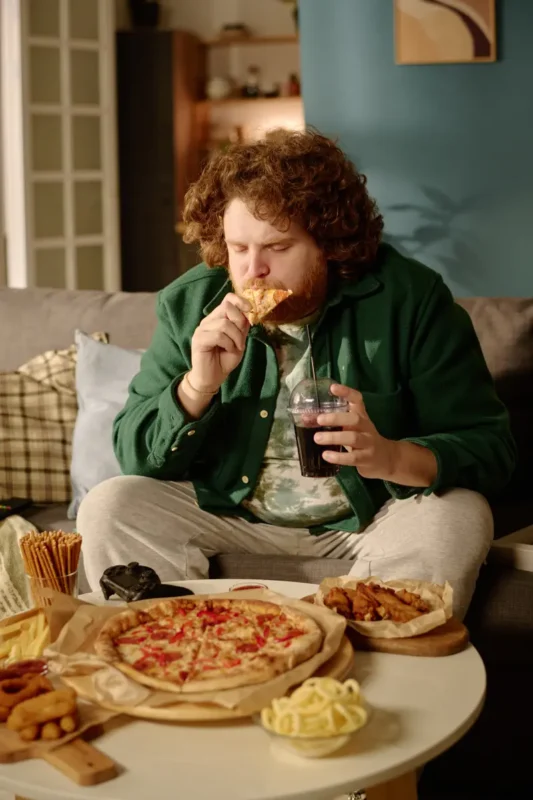
In my case it’s not the ice-cream that movies made so popular, but unhealthy snacks: crackers, potato chips, tortillas and things like these. They have to be crunchy, salty and greasy. Or very sweet and full of sugar.
These comfort foods provide a temporary dopamine hit that calms the nervous system, but they are metabolic “bombs” for your liver.
Stress also breeds sedentary behavior. When you are anxious or exhausted, the gym or jogging outside are the last places you want to be (even though that would actually boost your mood!)
Yes, there is a connection between fatigue and fatty liver too… and these might all have a root in excessive stress levels.
Stress makes you want to sit in bed, munch on comfort food, and watch TV. This creates a vicious cycle: stress leads to inactivity, inactivity leads to weight gain and poor sleep, and poor sleep leads to even higher stress levels.
So the indirect effect stress can have on your liver is over-eating, you being less active and even having trouble sleeping, which in turn makes you more stressed, tired, and grumpy.
Your liver doesn’t become fatty overnight; it happens through the long-term accumulation of these indirect habits.
This is why dealing with stress is extremely important, even if it might not seem at first one of the causes of a fatty liver.
How reducing stress helped me reverse my fatty liver
This is my personal story. While one can say it’s not representative for generalization, I believe the mechanics of my recovery apply to anyone.
Just like the fact that if I managed to reverse my fatty liver means that anybody can do it, it also means that anybody and everybody could suffer the same as I did. The experience I am sharing is honest and personal. I share it because I don’t want you to make the same mistakes I did.
Stress, fatty liver and various other health problems
Do share your problems with others – especially a doctor. I was fortunate to be able to beat this mostly by myself, but I also ended up seeing various doctors and physicians when things got bad. Make sure to visit a specialist ASAP, even if you consider your problems to be minor!
My problems started many years ago – and I kept ignoring the signs that my body was sending me. I was young, I knew nothing, I felt invincible.
After being extremely active in high school (playing basketball 15-20 hours per week) I went to the other extreme in college.
Wasted nights, alcohol, spending entire days playing on the computer, NO cooked food – just bad choices.
This way of living started to have a negative impact on me, but it was not just that.
Soon, I was fresh out of college and broke. No money, no job, no real plans for the future, living a horrible life and eating like I wanted to destroy myself.
I had put on over 30 kg (66 lbs) in a few years. I was always tired, had horrible headaches, I was cranky at all times.
And then, real life hit me hard. Overweight, broke and with no real prospects, I learned that my father had just been diagnosed with a terminal illness. Right now, I can’t actually say (or write the words), but it was liver-related. He was gone in less than two months after the diagnosis.
I moved back home to help my mother and grandmother who were living together (something common in my country). Just a couple of years later, my grandmother – who meant the world to me – suffered a stroke and became a completely different person.
She was unable to talk right, she was unable to move without much help… it was devastating.
The stress was at an all-time high. I became anxious and almost hypochondriac. I had an irrational fear of going out.
When I did manage to force myself to go out and have fun, it was the opposite: I was always afraid that something bad will happen. I had to live with this feeling that kept eating me alive and making things even worse.
I had huge, dark bags under my eyes and was round like a ball. I felt like I had failed as a human being. Initially, I told nobody about this, which in hindsight was a huge mistake.
I told nobody… Until I finally did.
By the time I asked for help, I had high blood pressure, IBS, and paresthesia (numbness) on my face. One doctor told me: “You’re a mess. You have to change everything. Now.”
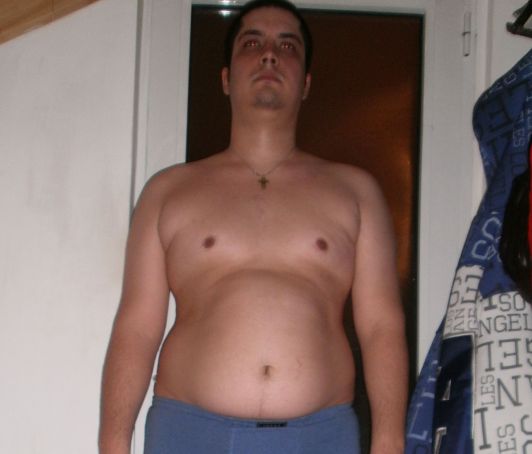
Looking at photos from back then is painful. I was tired and you could see that in all photos I am in. I had huge, puffy, dark black eyebags. I was round like a ball.
And what you could not see – what was inside my soul, the huge stress levels I was dealing with – was even worse.
During this period of intense pressure, I turned into a workaholic. I couldn’t find the mental strength to go outside, so I poured everything into my work. I also did a lot of research and tried to help myself as much as possible.
The “Crazy” Habits That Saved My Mind
I started talking to my girlfriend (now wife) and tell her most of the things that I was feeling.
Like a crazy man, each day I would go in the bathroom and give me pep talks in the mirror. This might sound like a silly, crazy thing to do. But to me – this made a huge difference. This had a big impact over my mental health and my power to cope.
I also turned to God. I was nothing but an agnostic, but I still turned to God. I needed somebody to talk to, to ask help from – to BELIEVE can help me. And He did.
I didn’t go to the church, I didn’t start to study the Bible and I’m not a reformed man now. I just created that direct, personal connection with God. I created my own prayers and prayed a lot. Asked for His help.
After all these years, I still pray to Him every night. Things like this help, even though there’s absolutely no scientific proof to back you up.
I am not saying that you should do the same or that this alone is enough to cure you. But whatever helps, whatever gives you the strength to change, to turn your life around – without being dangerous or harmful to you or others – is more than welcome.
I had already started doing all these things and changing my life a little bit, but it was difficult. I still had little money, I still had all sorts of issues and I simply felt that stress was eating me alive.
New symptoms and strange things added to my problems list: tinnitus (it just started one day out of the blue and hasn’t stopped since).
Back-related problems. I developed allergies to things I was never allergic to before. I developed a horrible fear of heights – I can be just 1-2 meters (3-6 feet) high and it makes me dizzy and unbalanced. Lots of other smaller symptoms.
I was doing better, but I still had a long way to go. I only had trust in the doctor that I mentioned before – but he unfortunately passed away too. I did see a couple of other doctors, but I somehow didn’t trust them and whatever advice they gave me, it didn’t help.
So I kept doing my thing, based on all that I could learn from the previous doctor. I started taking some supplements too… but I was far from healthy.
The Wake-Up Call: A Fatty Liver Diagnosis
Then the big scare happened. I got diagnosed with a fatty liver.
Because my father had passed away from liver-related issues, I was convinced I was going to die too. I went home and cried. I was 30 years old with a one-year-old son, and I was terrified he would grow up without a father.
I just had to change everything. So I did.
This fear became my fuel. I realized that if I didn’t get my stress under control, I wouldn’t just be unhappy – I would be gone. I knew that stress was the root of my habits, and those habits were destroying my liver.
This time, I stuck to my plan. I was changing my life. I was becoming a different person. I had to.
The win
I stopped eating junk food and started working out. These were hard habits to break because my brain wanted the “salt and grease” comfort I mentioned earlier. But I forced myself to move, and I still consider that these two things were the ones that helped the most overall.
Yes, I still felt horrible initially and found all the excuses in the world NOT to work out and to bad badly instead – but I still forced me to do it, and each time after I did I felt much better.
I started meditating, reading self-improvement blogs. Watching motivational Youtube videos.
I kept talking to myself in the mirror (note: I stopped doing this for several years no, so not cuckoo-crazyhere). I kept praying to God.
I learned to stop and take a breath. I learned to enjoy and appreciate the things I had. I got energy and healing power from hugging my wife. From hugging my son. Just hugging them and closing my eyes… and everything was better.
I started to sleep more. I actually took a break from work and went on a “sabbatical” for an entire month. During this time, I walked a lot, I ate clean food based on a Mediterranean diet, I sometimes slept 16 hours a day, and spent much of my time listening to audiobooks.
I became a different person.
The fatty liver that I thought would kill me helped me become a better person.
And while I can’t say 100% that it was stress that had caused it, I actually can. If that makes any sense.
All the problems I had were caused by stress (which indeed had various other real causes). But I wouldn’t have managed to do anything without reducing the stress levels.
I am not rich today. I still have various health problems. I know that I’m not living in a perfect world. But I’m trying to make the most out of it.
Dealing with stress and getting rid of it, refusing to let it control my life and understanding that it is the source of all that’s bad in my life was the lifeboat I needed.
With the changes that followed, I managed to reverse my fatty liver. I lost weight and I have a lot more energy each day, feeling better and happier than ever before.
I started drinking lemon water and no alcohol. Eventually added diet sodas in moderation, but kept away from sugary drinks (and still no alcohol!)
But I also managed to get my blood pressure under control and it’s been years since I’ve been taken off the meds, with normal blood pressure.
My IBS is gone, too.
Yes, I still have health issues and I am not 100% cured. But things have changed tremendously. But, boy, did I fight for this to happen!
I did it – you can do too. It was difficult, but not impossible.
Final words
You must understand that your fatty liver is likely a symptom of a larger problem. Your bad eating habits and lack of exercise are often just the ways you cope with excessive pressure.
Don’t take the long, painful road that I did. Ask for help now. Accept that you cannot control everything, and realize that your liver’s health depends on your mind’s peace.
If I could turn my life around when I was at my absolute lowest point, you can do it too. It is difficult, but it is possible. Start by taking a deep breath and making a plan. Your liver and your family – and yourself, eventually – will thank you for it.
Pin this for later!
Get rid of everything that stresses you out. Learn to enjoy life. Accept the fact that you don’t have control over everything.
Accept the fact that things won’t always go as planned or as you’d like them to. Accept the fact that life is meant to be enjoyed with both good and bad things in it.
It’s cliché already – but if I managed to do it, then anybody can!
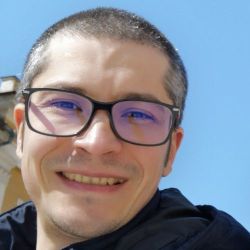
I was diagnosed with fatty liver in 2014 and successfully reversed it by mid-2015 using a natural diet and lifestyle changes. Since then, I’ve dedicated over a decade to researching this condition and helping others navigate their own recovery. I am the author of ‘From Fatty Liver to Healthy Liver’ and the founder of this community. My goal is to translate complex medical studies into practical, real-world advice that actually works, combined with my personal experience on the matter.