

Note: This article is based on my personal experience and research. I am not a doctor or a dietitian, and this content is for informational purposes only. Always consult with your healthcare provider before making any changes to your diet or lifestyle.
It’s extremely annoying to wake up after a full night’s sleep, only to feel tired already and completely drained of energy by noon. If you’ve been diagnosed with a fatty liver disease, then you probably know the feeling, just like I know it – too well, unfortunately.
Fatigue is one of the most common and most frustrating symptoms people experience with a fatty liver (check them all out here). Today, we’ll learn why fatty liver causes fatigue and what to do about it.
But first things first: If you suffer from MASLD (fatty liver disease) and you’re feeling tired, you are not alone. And the best part: it can be fixed!
My story of battling extreme fatigue with fatty liver disease
In my case, extreme tiredness – up to the point of exhaustion – was present well before I officially got diagnosed. I was feeling exhausted at all times.
I could wake up feeling relatively well rested (although sometimes I woke up feeling tired already), but after around three hours (sometimes less), I would be completely out of energy.
Eating lunch gave me a temporary boost, but the fatigue always crept back. I’d nap almost daily just to make it through. Even then, I felt drained from morning until night. It was a nightmare.
After being diagnosed, my doctor told me that my extreme tiredness could be a result of my fatty liver disease. She also assured me that things should improve as I work on reversing my condition.

But before it got better, in my case, things got worse. This happened a few months after starting my diet and it was the breaking point for me. I was so exhausted that I couldn’t even work.
I thought I had chronic fatigue syndrome. Looking back, it was probably a mix of things: liver dysfunction, drastic changes in my diet (especially cutting sugar), and working 8 hours or more in front of the computer, all while my stress levels were also at a maximum.
Fortunately, my job allowed me to take a full month off – no work, no obligations, just rest. That month absolutely changed my life and got me back on track.
I slept, I ate properly, I relaxed. I also started taking magnesium supplements and some basic vitamin supplements (under my doctor’s supervision). Slowly, I started feeling like a human being again.
The good thing is that if I managed to get through what I could call debilitating tiredness, it means that anyone can. But you do have to give your body the time and rest it needs, even if you can’t take a month off. Make resting a priority, even if it takes a bit longer.
Why Does Fatty Liver Disease Cause Fatigue?

The frustrating part is that, at least for now, doctors and scientists don’t fully understand why fatty liver causes fatigue, even though they have some strong theories.
It’s similar to the pain under the right rib that many of us feel: it shouldn’t be there, because the liver itself doesn’t hurt, but it is. Now, here’s what scientists discovered (even though not all agree upon everything):
1. Reduced liver function = less energy
Your liver plays a huge role in energy metabolism. It processes nutrients, stores glycogen (your body’s “energy bank”), and filters toxins.
When it’s overloaded with fat or inflamed, it can’t perform these functions efficiently, and that can leave you feeling physically and mentally drained. This is probably the main reason why we feel tired at all times after being diagnosed.
A study published in 2019 confirms it. It concludes:
“Liver is central to the pathogenesis of peripheral and central fatigue, which in our view is dependent upon energy regulation and crosstalk between the gut, liver, muscle, and brain.”
2. Inflammation and cytokines
A fatty liver is often inflamed (although not always!), which triggers the release of molecules called cytokines. These can affect the brain and muscles, making you feel like your body is fighting something, because it kind of is.
3. Sleep disruption
Some people with MASLD have trouble sleeping. Others feel sleepy all day. It’s a strange cycle: fatigue makes you rest more, but too much daytime sleep can make nighttime rest worse.
Add some extra stress to the mix and you have the perfect brew for a storm that, paradoxically, keeps you tired but at the same time keeps sleep inadequate.
4. Low physical activity
When you’re tired all the time, you naturally move less, which ironically worsens fatigue over time. This lack of movement can slow down circulation and energy production even more.
But here’s one important finding that brings relief: a 2008 study on 156 people with fatty liver found no link between the severity of the disease and how tired they felt. So even if you feel like you’ve been hit by a truck, it doesn’t mean your liver is getting worse.
In my case, I was somewhere between grade 1 and 2 (mild to moderate), yet my fatigue was crippling. So yes, you can feel absolutely wiped out even in the early stages – no need to worry that things are or are getting worse.
Not All Fatigue Is Liver-Related
This is just a word of caution. Fatigue can come from many causes, not just liver problems. This is why it’s imperative to rule out any other potential causes – and have a doctor do it.
But there are a few clues that suggest it might be linked to MASLD:
- The fatigue is persistent, even after a good night’s sleep.
- You feel physically heavy, sluggish, or mentally foggy.
- You’re easily tired after mild activity. Even that was not my case, some get tired after meals.
Also, if your fatigue worsens or if you notice additional symptoms like jaundice, confusion, dark urine, or significant weight loss, make an appointment with your doctor ASAP.
How to Fight Fatty Liver Fatigue
As I said, I’ve been through this hell and eventually escaped. It might seem unlikely for you, but it will happen as long as you take the right steps in the right direction.
Reversing fatty liver disease means that all your liver functions will become normal, so any liver-related fatigue will be gone. Fortunately, even before you get there (as it might take up to a couple of years to fully reverse fatty liver), things will improve a lot.
Here’s everything you should do to give your body a boost in dealing with this crippling fatigue:
1. Sleep and protect your rest
Quality sleep isn’t optional when dealing with this, so no matter what you do, aim for at least 8-9 hours of sleep if possible.
I personally needed 10 hours each night and yes, it did feel that I was sleeping my life away – but not getting enough sleep would’ve meant living a nightmare, so the alternative was not great.
If you struggle to fall asleep, establish a nighttime routine: no screens before bed, dim lights, and consistent bedtimes. Also, try to get to bed before 10 PM and do your own research on improving sleep – there are many great sources out there (I personally got plenty of help from the early episodes on the Huberman Lab podcast).
2. Eat for your liver
Following a fatty liver-friendly diet is mandatory to reverse your condition. Your new diet should be mostly vegetables, whole grains, lean proteins, and healthy fats (like olive oil or nuts).
Sip the sugar, processed and/or fatty foods, as well as refined carbs. Staying hydrated also makes a difference in energy levels.
If you don’t know where to start, here’s the diet I followed. Or simply check out my book, From Fatty Liver to Healthy Liver (affiliate link), to know everything I did to reverse my condition.
3. Exercise!
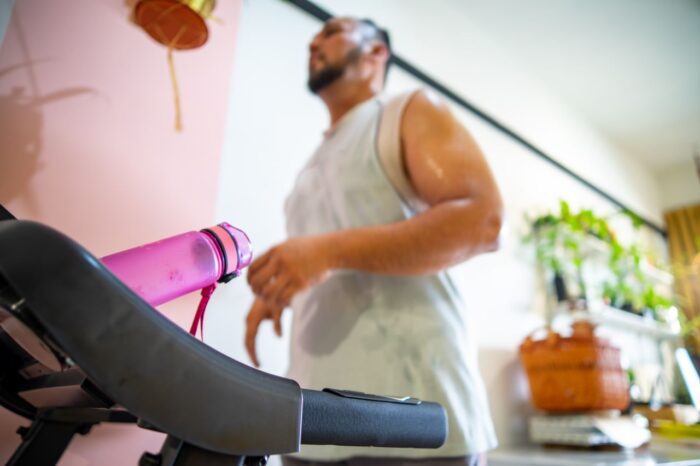
I know! When you’re exhausted, exercising is the last thing you think you could do (or should do). But even light movement helps. You can read more about the best exercises for fatty liver here.
When I was at my worst, I could barely walk. So I started with 30-minute brisk walks. Then I added short jogging intervals. Over time, my stamina grew, and my fatigue improved noticeably.
You don’t need intense gym sessions. A mix of light cardio and resistance training is enough to improve insulin sensitivity, reduce liver fat, and help you feel more awake.
However, it is indeed recommended not to exercise if you are too tired – but don’t use this as an excuse not to do anything when even a little bit could be done.
4. Manage stress
Chronic stress taxes your liver and zaps your energy. Try short relaxation sessions, deep breathing, music, or whatever helps you unwind.
My personal therapy included a mix of all of the above, as well as being close with my family, hugging them and cuddling for long periods of time. Whatever makes you feel relaxing should be done.
5. Replenish nutrients (safely)
Talk to your doctor about checking for deficiencies in magnesium, vitamin D3, or B12. Low levels of these can worsen fatigue. In my case, magnesium supplements helped a lot, so it’s a good thing to know if there are any deficiencies in your case.
6. Give yourself time
This is the most important thing to keep in mind: recovery doesn’t happen overnight.
Fatigue might linger for weeks or months as your liver heals. But with consistency, it will get better. Just stick to it!

Final words
Fatigue related to MASLD (aka fatty liver) is real and something many of those diagnosed will feel to some extent. The more you support your liver through sleep, nutrition, and movement, the faster it can repair itself – and fatigue will go away too.


I was diagnosed with fatty liver in 2014 and successfully reversed it by mid-2015 using a natural diet and lifestyle changes. Since then, I’ve dedicated over a decade to researching this condition and helping others navigate their own recovery. I am the author of ‘From Fatty Liver to Healthy Liver’ and the founder of this community. My goal is to translate complex medical studies into practical, real-world advice that actually works, combined with my personal experience on the matter.