
Note: This article is based on my personal experience and research. I am not a doctor or a dietitian, and this content is for informational purposes only. Always consult with your healthcare provider before making any changes to your diet or lifestyle.
Chances are that, if you’ve been diagnosed with fatty liver disease (now called MASLD), you find yourself lost in a sea of diet recommendations, wondering which one truly helps your liver heal.
I’m on a quest to check out all the potential diets out there to see which ones seem like solid options. Today, we’ll look at one of the most talked-about yet misunderstood eating patterns: the Paleo diet, and see if it works for people trying to reverse fatty liver disease.
Note: I personally used a slightly modified version of the Mediterranean diet to reverse my condition, but I also wrote about the controversial keto diet for fatty liver disease, as well as the popular DASH diet – so you have options!
With all this being said, let’s jump right into the Paleo Diet and its potential benefits to those suffering from a fatty liver.
What is the Paleo Diet and how does it work with a fatty liver?
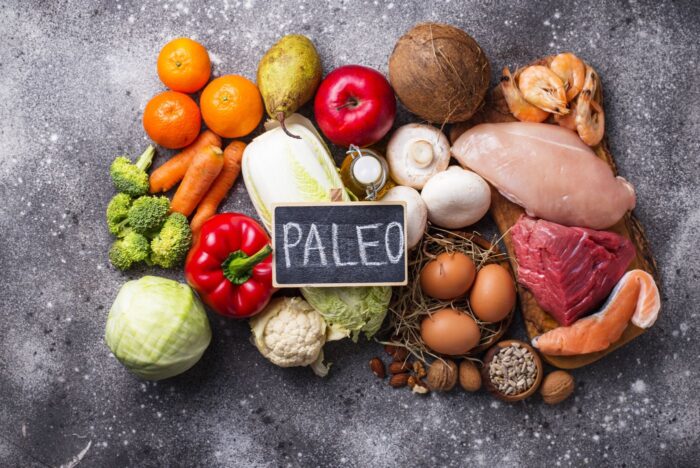
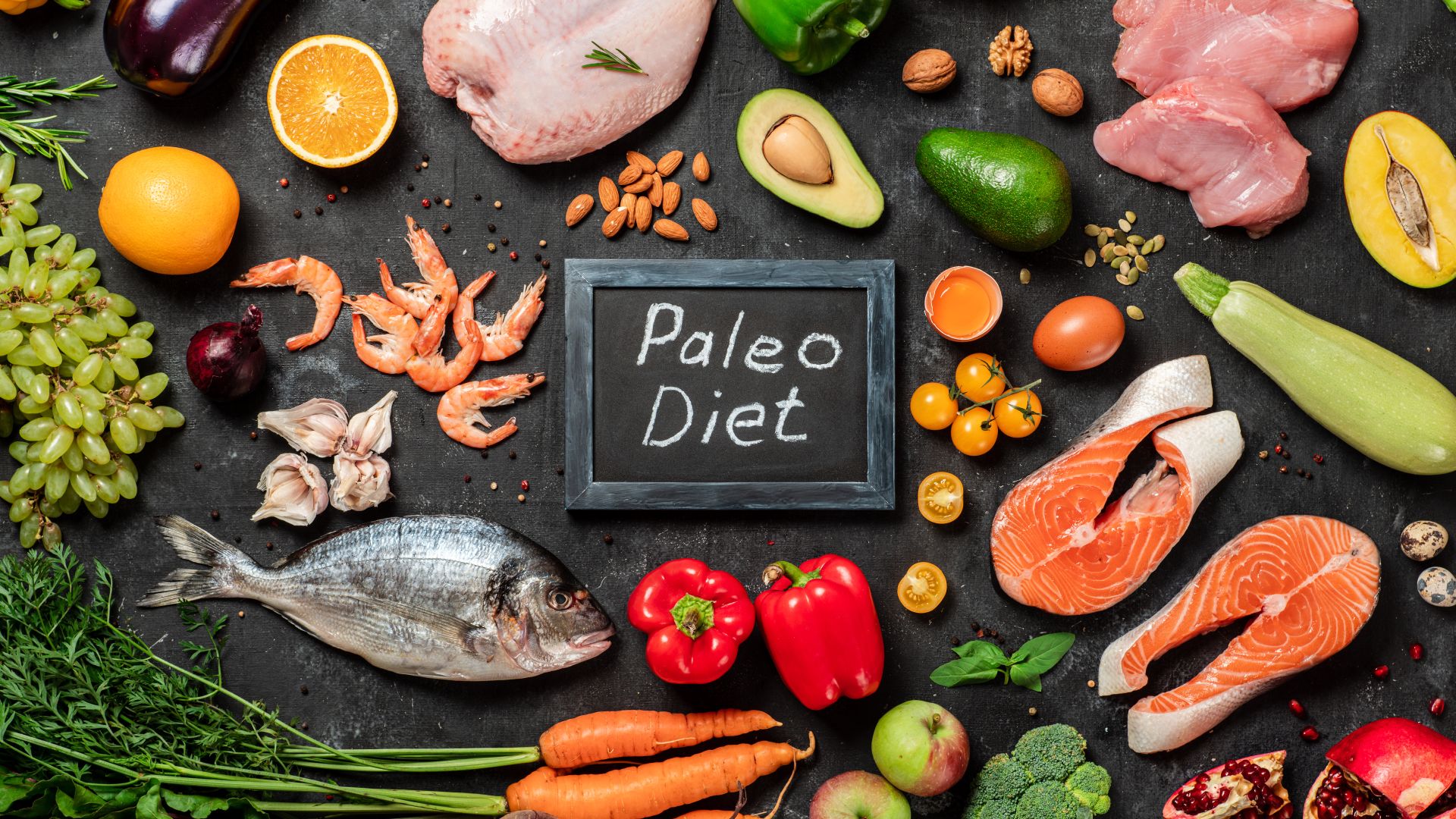
The Paleo (short for Paleolithic) diet is based on a simple idea: eat the way humans supposedly did before farming existed, when hunting, fishing, and gathering were the primary means of sustenance.
That means no bread, pasta, dairy, or sugary snacks, but also to stop eating refined and processed foods, grains, cereals, dairy and legumes – these being the main things on the huge list of foods you can’t have when following this diet. Instead, the focus is on whole, unprocessed foods you could theoretically hunt or gather.
Fortunately, you don’t need to live in a cave or chase deer for dinner – getting the base ingredients from the supermarket is perfectly fine as long as you follow its simple principles.
The good thing is that most of the foods that you have to stop eating are, for somebody suffering from a fatty liver, a good riddance. You should stop having most of them anyway!
Here’s a quick overview of what this diet allows you to eat (and what you should avoid):
Foods You Can Eat
- Lean meats (ideally grass-fed or wild game)
- Fish and seafood
- Eggs
- Vegetables of all kinds (especially non-starchy)
- Fruits in moderation
- Nuts and seeds
- Natural oils (olive, avocado, coconut)
Foods You Shouldn’t Eat
- Processed or refined foods
- Sugar and sweets
- Grains (wheat, rice, oats, etc.)
- Legumes (beans, lentils, peanuts)
- Dairy products
- Alcohol
- Processed drinks or sodas (anything that is not plain water)
- Starchy foods like potatoes, pasta, and pastries
At first glance, this looks fantastic for someone with a fatty liver. You’re cutting out refined carbs, sugar, alcohol, and junk – exactly what the liver struggles with most.
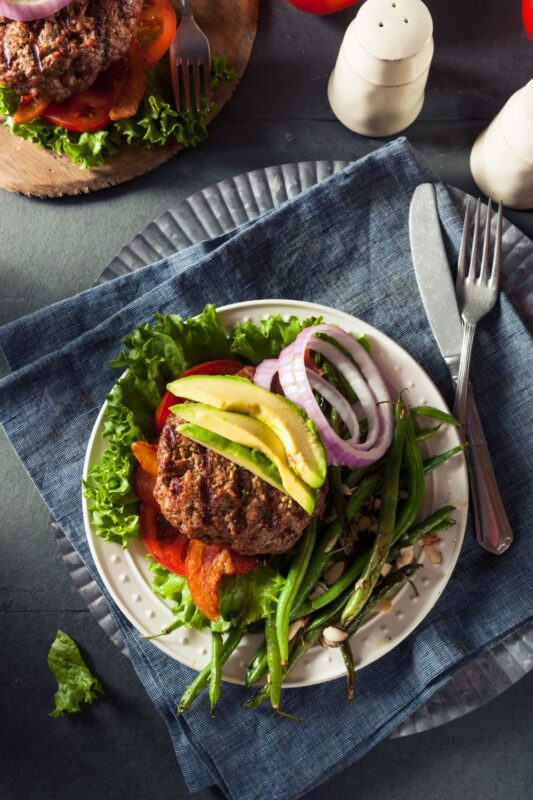
But you could also end up with some very high-fat or high-carb dishes, so you still need to be careful.
Can the Paleo Diet Help Reverse Fatty Liver?
Looking at the base principles above, I personally believe that this is a diet that can work well and help you reverse MASLD – it’s much better and healthier than many others!
But science should have a say too.
There are few studies on the effects of the Paleo Diet and fatty liver disease, but one published in 2016 (you can read it here) had some great findings: after 24 months, liver fat decreased 50% (25-75%) in those following this diet, and 49% (27-71%) in those following a low-fat diet. While the amounts are nearly identical, it proves that the Paleo diet could work.
But a reality check comes into play when we think about eating like humans did millions of years ago: some of those banned foods (like beans, oats, and unsweetened yogurt) are actually good for liver health. After all, progress also brought some good things that we can and should benefit from.
I reversed my fatty liver disease following a different, modified Mediterranean diet. If you want to see everything I did to heal my liver, you can check out my book – From Fatty Liver to Healthy Liver.
How to Make Paleo Liver-Friendly
This is where common sense meets practicality. Just as it is with the Mediterranean diet, I changed slightly so it follows liver-friendly principles exclusively, this one should undergo some changes in my opinion. Here’s what I would change:
- Go lean on meat. Choose poultry, turkey, and fish more often than red meat – the latter is still a no for NAFLD.
- Don’t overdo healthy fats. Yes, nuts and avocado oil are “good,” but calories add up quickly. And, of course, stay away from the bad fats completely!
- Pile on vegetables. Non-starchy ones like broccoli, spinach, cauliflower, and zucchini should fill half your plate.
- Skip Paleo desserts. Just because they use honey or coconut sugar, or anything similar, doesn’t make them healthy. Desserts should be a treat even when consumed in moderation.
- Bring in some modern foods. You can still benefit from potatoes, low-fat dairy, oats, and even whole wheat. This diet can quickly create a fiber gap, which would interfere with digestion – and oats/whole wheats could fix that.
In the end, just like with everything, moderation remains a key element. Nothing that is too sweet (or high in carbs, in this case) or with too much fat should be consumed. Otherwise, you have already eliminated most of the baddies by following this diet.
So, Is the Paleo Diet a Good Choice or Not?
After looking at both the theory and the practical side of it, the conclusion is clear and simple: Paleo can absolutely help heal your liver if you tweak it slightly to fit your needs.
The main benefits of the Paleo diet – from the point of view of somebody diagnosed with a fatty liver – are that it cuts off sugars and processed or refined foods, which is exactly what we need to do.
The biggest strengths are clear: it cuts out sugar, refined foods, and alcohol (which is good, since we are not allowed to drink alcohol with a fatty liver!)
The biggest challenges are also clear: it can be restrictive, and it excludes some foods that could actually help your liver recover faster or provide important nutrients (calcium from dairy, or enough fiber). Plus… no coffee, which is already a big drawback.
In the end, though, the Paleo lifestyle has some amazing benefits, which can be improved a bit by making minor changes to ensure you’re getting all the nutrients you need (plus a few treats that the modern world offers).
In other words, you shouldn’t switch to living the Paleo lifestyle if you only want to reverse your fatty liver. There are easier to follow diets out there (like the Mediterranean one), but this one can work just as well.
Do you have any experience with this diet – or maybe you’re considering giving it a try? Let us all know by sharing your thoughts below.

I was diagnosed with fatty liver in 2014 and successfully reversed it by mid-2015 using a natural diet and lifestyle changes. Since then, I’ve dedicated over a decade to researching this condition and helping others navigate their own recovery. I am the author of ‘From Fatty Liver to Healthy Liver’ and the founder of this community. My goal is to translate complex medical studies into practical, real-world advice that actually works, combined with my personal experience on the matter.
Hi. Thanks for the effort of writing this blog. I have been diagnosed with mild fatty liver (non-alcoholic) 4.5 months ago and I have changed my diet significantly to Fruits, Vegetables, and Fish with some brown rice and even changed my lifestyle – jogging and walking every day. However, my weight has dropped from 73.5kg to 62kg in 4.5 months an. my friends said I have slimmed down. I’m afraid that the weight loss might go further, so I wish to know whether I still can consume carbohydrates (such as rice and potato) and meat. Or are there any ways to gain weight healthily amid my fatty liver disease.
Hi i have a fatty liver if i follow paleo diet how it will affects specially like eggs ,seeds & ext please reply
Adjustments will have to be made to make sure that you eat healthy. Eggs and Seeds can still be had with fatty liver – just pay attention to your daily caloric consumption. Unfortunately, I don’t know what “ext” is but Paleo is generally safe and needs minimal adjustments to make it work.