
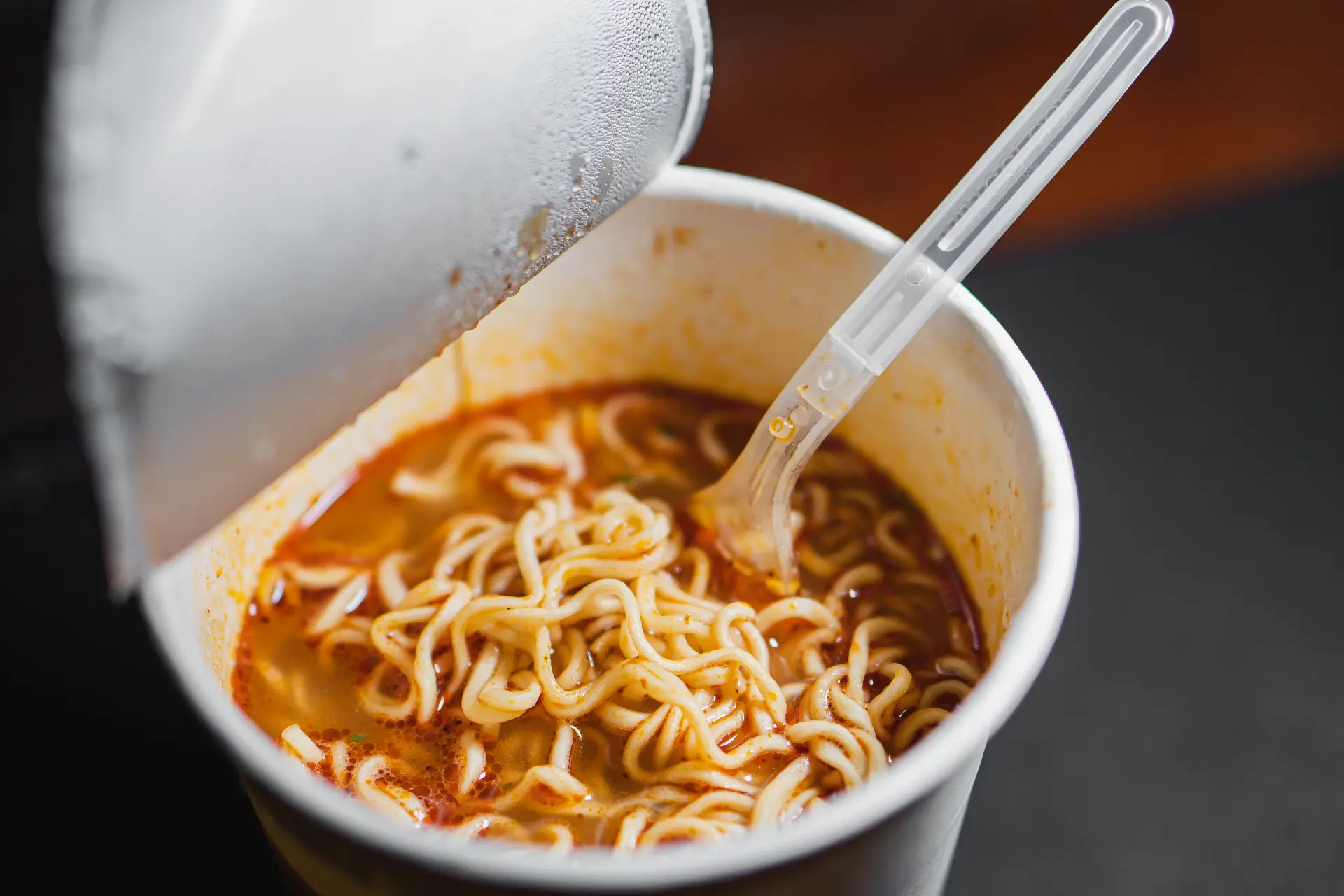
Noodles are extremely common all over the world. A steaming bowl of noodles is incredibly comforting and affordable, and many of us consume them regularly.
But when it comes to dieting for reversing a fatty liver disease, you need to be extra careful and look at what actually goes into that bowl. In this article, I will talk about noodles and their effect on the liver.
I want to start with the quick answer to the burning question in the title: should you eat noodles if you have fatty liver disease aka MASLD?
The answer is generally no. When it comes to regular noodles, these are highly refined and processed, which is a big no for your liver. They also are extremely rich in carbohydrates and offer little in terms of nutrition. In other words, they taste good but are not a healthy food.
Even breakfast cereals are a generally better choice than your regular instant ramen or favorite noodles, and those should be avoided too.
Luckily, there are some types of noodles – or noodle alternatives – that allow you to get your noodle fix now and then. I’ll share these too in this article. But until then, let’s get into the details you should know!
Can You Eat Noodles with Fatty Liver?
Most noodles can be considered unhealthy and bad for your liver. If you suffer from a fatty liver, it is best to cut them out of your diet entirely.
Instant noodles are highly processed and lack nutrients. Instead, they are full of refined carbohydrates, which we should keep to a minimum. These lead to sugar level spikes in our blood and weight gain if consumed in excess.
Research shows that refined carbohydrates, especially instant noodles, are a leading cause of MASLD cases among young adults in Japan (source).
But carbs are just part of the problem. Most noodle blocks are deep-fried in palm oil to dehydrate them before packaging, which means they become packed with saturated fats. These fats also drive fat accumulation in your liver.
We also have the massive sodium issue. A single serving of instant ramen can contain well over 1,500mg of sodium, which is the optimum amount recommended for daily usage by the American Heart Association. And you get that in just one meal!
High sodium intake causes water retention and extreme metabolic stress. This makes it incredibly hard for a compromised liver to function properly.
Regular noodles also usually serve as a base for other unhealthy foods – fried meats, heavy sauces and so on. These additions bring extra trans fats, high-fructose corn syrup, and even more sodium to your plate.
The additives and preservatives in instant noodles exhaust the liver during the digestion process. When your liver fails to break down these harmful compounds, it stores them. This puts a lot of extra pressure on an already stressed organ.
They taste good, but they are not good for your health.
The Best Liver-Friendly Noodle Alternatives
Instant/processed noodles should be completely taken off your diet or replaced with healthier alternatives, just as is the case with pasta and fatty liver disease.
For example, whole-grain noodles are a good alternative. Although more studies are needed to fully support this, there are strong arguments why a patient with NAFLD should eat whole-grain carbohydrates, including noodles or whole-grain bread and keto bread in general.
First, whole-grain noodles, like other whole-grain carbohydrates, contain biochemical compounds that decrease liver fat (source). This lowers the stress on your liver.
Secondly, a fatty liver patient who consumes suitable amounts of whole grains is at a much lower risk of MASLD progression (source). Also, whole-grain noodles help in weight loss, which is essential to avoid complications of the disease.
They have more nutrients and the carbohydrates in them are absorbed at a slower rate, which is better for us.
I personally went this route when dealing with my condition and, as you probably know if you are a regular reader of the blog, I reversed my fatty liver. However, even with whole wheat, I didn’t eat then in large quantities: just every now and then, in small quantities. Still better than nothing, right?
If you want to drop the carbs entirely, vegetable noodles are the best overall alternatives.
Zucchini noodles (zoodles), spaghetti squash, and cucumber noodles are the absolute best, lowest-calorie alternatives for a liver-healing diet. They still give you that familiar pasta texture without any of the damage as long as you cook and eat them right.
Soba (buckwheat) noodles have the least amount of calories and carbohydrates. There is a study suggesting that buckwheat can potentially slow down the progression of the condition.
Quinoa noodles are another type of healthy noodles because they have all the protein one needs, and more importantly, they are low in fat and carbs.
Konjac noodles are also a great alternative I found recently – and the one I started to consume mostly nowadays. While these are chewier and sometimes they smell terrible, they have 0 calories and sugars. And just rinse the noodles thoroughly under cold water for two to three minutes to get the smell out.
IMPORTANT! You still need to pair your noodles with other healthy ingredients. Stay away from fried meats (or anything fried), added sugars, and preservatives/flavorings!
My Recommended Healthy Noodle Picks
Let’s check out a few of my recommended alternatives that you can purchase and prepare at home. You can cook these knowing that you are making a much better choice compared to regular noodles.
I have to repeat that you should not consume these daily. Treat them as a reward every week or two and instead go for the vegetable noodles as often as possible.
Note: I get commissions if you make a purchase through the links below, at no extra cost to you.
Eden Selected Whole Buckwheat Soba – the closest thing to traditional noodles you can get.
Quinoa Noodles – these are labeled as Spaghetti, but I found them to be very thin and similar to noodles.
Konjac Noodles (10-pack) – definitely give these a try if you haven’t already. They are my favorite!

Conclusion
Although most of us love instant noodles, we should not neglect their health risks, which are even worse for those who suffer from a fatty liver.
After looking at the science and going through the recovery process myself, it is incredibly clear that you need to cut refined noodles from your diet.
If you really can’t stay away from them, then you have some alternatives above. They will still taste good but also provide a safer, healthier alternative as long as you pair them with similarly healthy extras.


I was diagnosed with fatty liver in 2014 and successfully reversed it by mid-2015 using a natural diet and lifestyle changes. Since then, I’ve dedicated over a decade to researching this condition and helping others navigate their own recovery. I am the author of ‘From Fatty Liver to Healthy Liver’ and the founder of this community. My goal is to translate complex medical studies into practical, real-world advice that actually works, combined with my personal experience on the matter.