
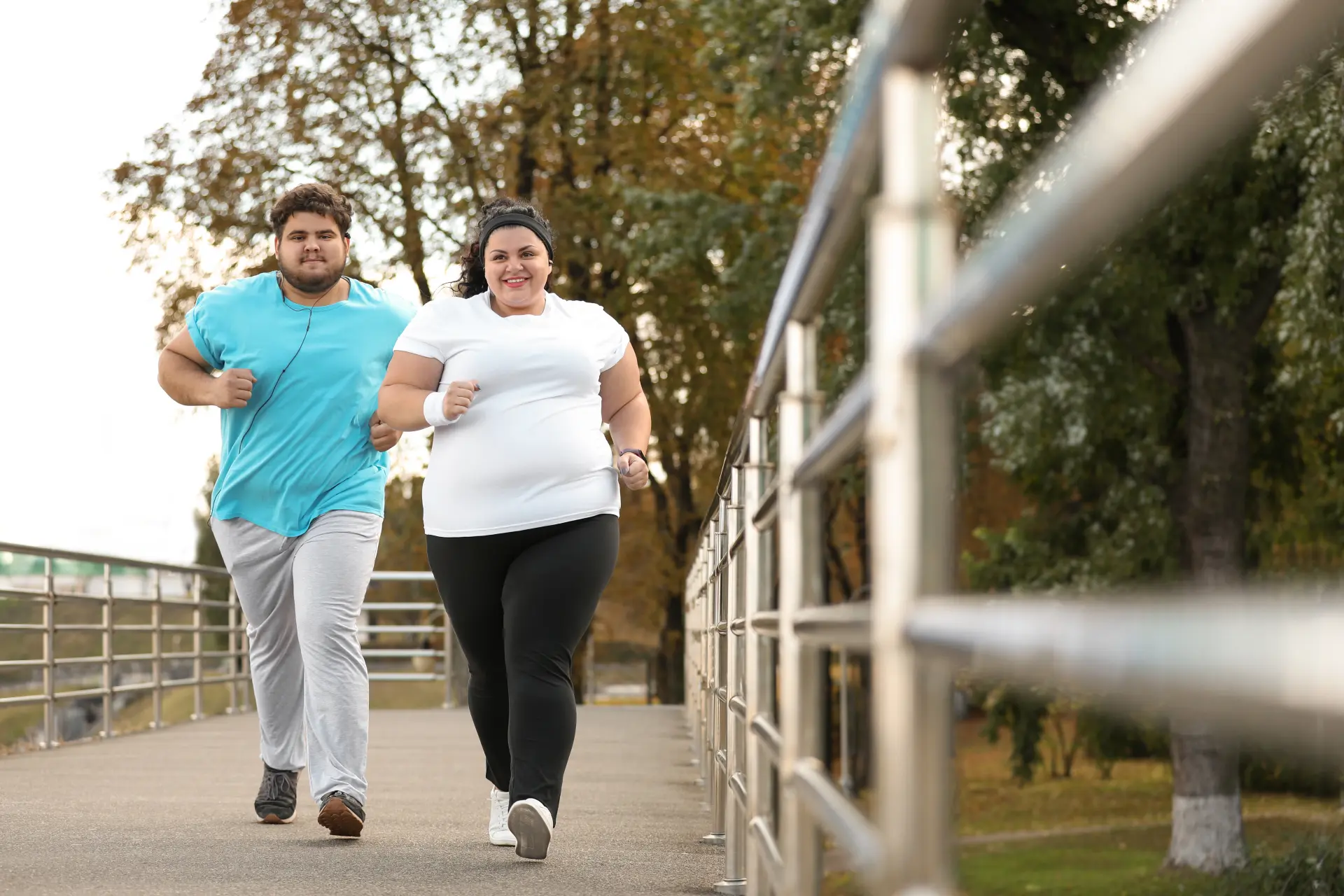
Running or jogging is one of the simplest and most accessible ways to stay active, but did you know that it can also help your quest to reverse fatty liver disease (nowadays called MASL – Metabolic Dysfunction-Associated Steatotic Liver Disease)?
Well, you know now! It’s actually a scientifically proven strategy that reverses or improves NAFLD/MASLD.
Today I will break down exactly how this basic form of exercise boosts your liver health and how to safely incorporate it into your weekly routine.
The Science: Running and Liver Health
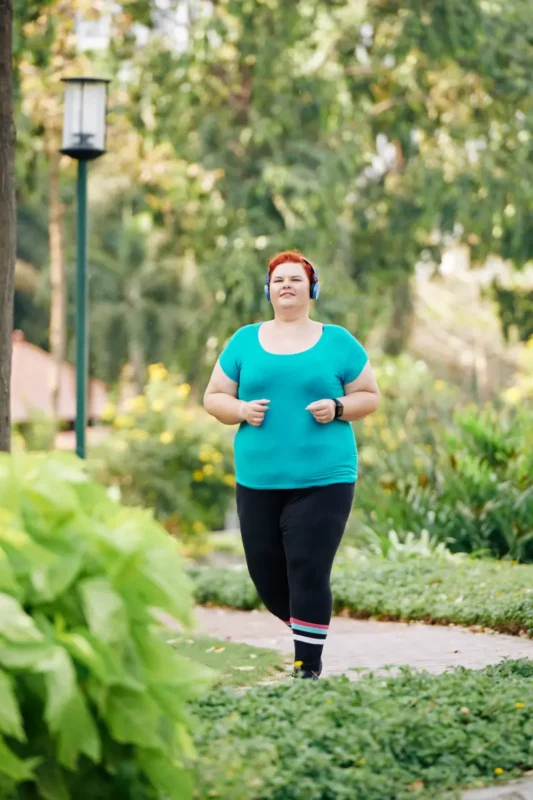
Various studies show that regular aerobic workouts (jogging/running included) help reduce fat in the liver, lower inflammation, and support healthier immune function.
A study published in Progress in Cardiovascular Disease found that runners have a 25-40% reduced risk of premature death and may live up to three years longer than non-runners.
The University of Missouri – School of Medicine highlighted how high-metabolism activities like running or biking can prevent or delay significant liver damage.
Running and jogging are classified as vigorous aerobic activities that increase your heart rate and challenge your muscles. This pushes your body to burn more fat, which lightens the load on your liver and keeps you healthy. (Study here).
All of these benefits result from a combination of better blood pressure, improved triglyceride levels, healthier weight, and better blood sugar control.
Running also enhances cardiovascular fitness, strengthens bones, and reduces stress, offering a complete health boost.
You have various options, like cycling, to improve your liver’s health. If you want to learn more, read my article about the best exercise types to reverse fatty liver disease.
The Metabolic Mechanism Behind Fat Reduction
To understand why a jogging session helps so much, let’s look at how our bodies work.
When we run, our muscles start demanding fuel to operate as required. They will first burn through available blood glucose and stored muscle glycogen – but these are short term reserves they will consume quickly.
Once these reserves are depleted, the body will search for alternative energy sources – and in this case, it will be stored fat. So you run to literally burn that liver fat!
Also, aerobic exercise increases insulin sensitivity, meaning your cells become better at absorbing glucose from your bloodstream. And this is important because low insulin sensitivity causes the liver to convert excess sugars into new fat deposits.
So it’s a win-win situation when it comes to your liver’s health!
How Often Should You Run or Jog?

The National Health Service (NHS) suggests at least 75 minutes of vigorous aerobic activity per week (or 150 minutes of moderate exercise).
Don’t be intimated by these numbers, especially if you’re the type to easily get tired!
Even if you’re not, since you are just starting, you probably don’t have the physical condition to run even for 15 minutes. I know that when I started running, after being diagnosed with a fatty liver, I could only run for 3 minutes. Just THREE!
But I kept doing it, combining slower-paced jogging with walking and even taking short breaks if I truly felt I couldn’t move anymore.
Soon, those three minutes turned into ten, and I eventually ended up being able to run for 45 minutes without a pause.
This takes time and dedication, but it also gets easier over time.
So right now, I am trying to run at least 25 minutes three times a week. I used to do 45 minutes at least three times a week, which I consider much better… but anything is better than nothing!
Running or jogging even just a mile a day can help you burn calories and be beneficial overall, as this study suggests.
The bottom line here is to just start. It doesn’t matter how long you can run when you do – all that matters is that you keep showing up, keep pushing, and eventually you will be able to meet the minimum activity requirements of 75 minutes per week.
After all, fatty liver is a serious condition that shouldn’t be ignored. The sooner you start working on it, the sooner you will reverse it (read my previous article to find out how long it takes to reverse NAFLD/MASLD).
Running Indoors?
Not everyone lives in a spot with open trails or quiet streets. If your schedule or environment keeps you indoors, a treadmill can become your best friend, as it allows you to get your daily minutes in a more convenient fashion.
One treadmill that always gets high marks is the NordicTrack T Series (affiliate link), known for quality design. It helps you track distance, adjust settings on the fly, and stay motivated with virtual running programs.
I love using a treadmill on rainy days or when I want to focus purely on distance without worrying about weather or traffic.
It’s also a chance to catch up on a favorite show or podcast, which can help those minutes pass more comfortably – while still reaping all the benefits.
A Note on Safety
Before you lace up your shoes, you must talk with a healthcare professional, especially if you have underlying health conditions.
Running is generally safe, but it does put stress on your joints and cardiovascular system. A quick check-up can ensure you’re ready to go without risking injury or other complications.
This is particularly important for patients with specific liver-related complications. If you have advanced liver disease, portal hypertension, or severe joint strain linked to significant obesity, high-impact exercise might be contraindicated.
Your doctor might suggest low-impact alternatives like cycling or swimming before clearing you for a running program.
Conclusion
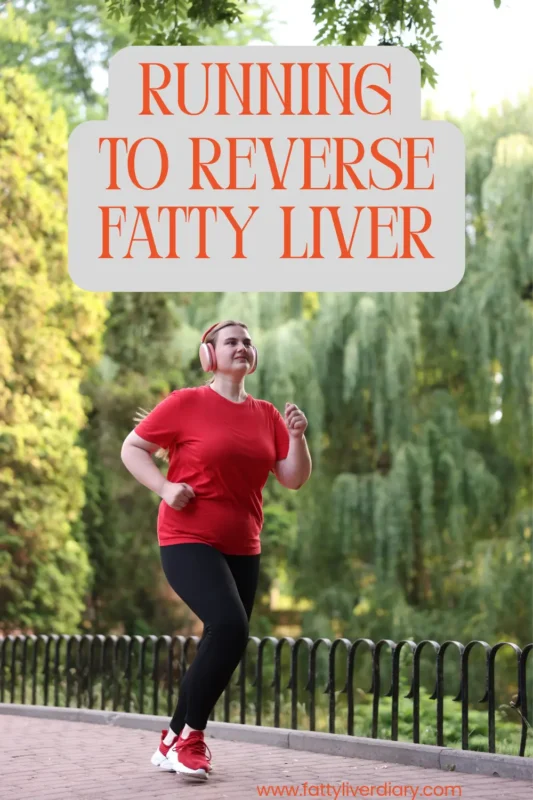
Running offers a powerful, scientifically backed approach to managing fatty liver and even reversing your condition.
From burning fat and excess weight to managing blood sugar levels, and giving your heart the workout it deserves, it’s one of the easiest forms of exercise to pick up.
By starting small, staying consistent, and combining it with an overall healthy lifestyle, you can take charge of your liver health – and your life.

I was diagnosed with fatty liver in 2014 and successfully reversed it by mid-2015 using a natural diet and lifestyle changes. Since then, I’ve dedicated over a decade to researching this condition and helping others navigate their own recovery. I am the author of ‘From Fatty Liver to Healthy Liver’ and the founder of this community. My goal is to translate complex medical studies into practical, real-world advice that actually works, combined with my personal experience on the matter.