

Note: This article is based on my personal experience and research. I am not a doctor or a dietitian, and this content is for informational purposes only. Always consult with your healthcare provider before making any changes to your diet or lifestyle.
After being diagnosed with a fatty liver disease (NAFLD aka MASLD), I constantly looked for natural ways to help my liver recover, based on the idea that every little bit of help… helps.
The truth is that I am a bit skeptical when it comes to natural remedies and I prefer hard science instead, but in some cases, I am willing to give something a try if I consider that the worst thing they can do is have no effect. If the natural help I’m trying proves to be beneficial, even better.
And one of the top contenders for helping your fight to reverse fatty liver disease is green tea, also one of the best teas for fatty liver. I didn’t know much about it until doing extensive research on methods to help reverse the condition, when I kept seeing its beneficial effects mentioned regularly.
You can imagine how pleasantly surprised I was to find out that this otherwise delicious drink might actually help!
Like many things regarding health, there is no absolute certainty that green tea helps your liver in every single case. However, since it is natural and generally healthy (at least for those who are free to have some caffeine intake), I decided to give it a go – drinking it unsweetened, because sugar is one of the biggest enemies of the liver.
I haven’t stopped drinking coffee (which is also considered good for fatty liver), but I consider that green tea adds some welcome variety to our otherwise limited beverage options.
But does it really work? Let’s get in-depth and find out!
Why should people with fatty liver drink green tea?
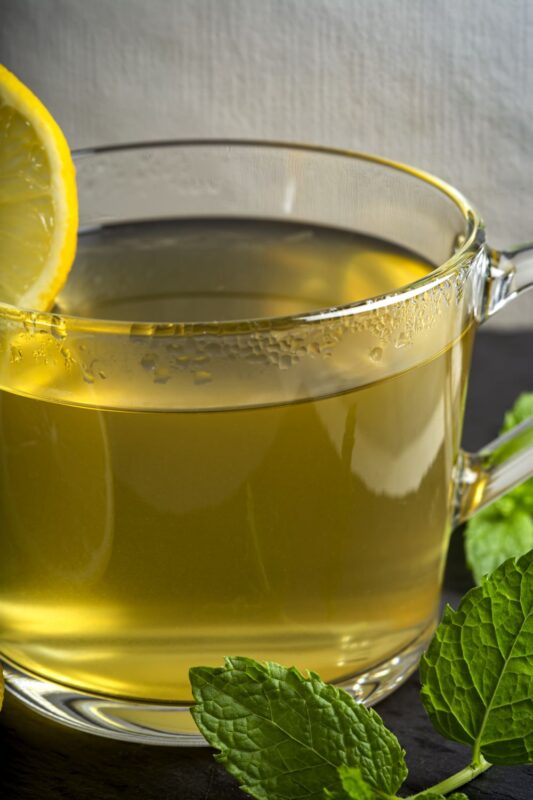
The primary reason green tea is effective lies in a compound called epigallocatechin-3-gallate, or EGCG. This is a powerful antioxidant that combats oxidative stress, one important driver of liver damage.
A study conducted in 2008 found out that mice suffering from fatty liver who were treated with EGCG showed reduced liver inflammation and a reversal of the condition after just four weeks.
Even better, those on a longer treatment (16 weeks) continued to show progress, including reduced body weight gain and lower fat percentages, proving to the scientists that green tea can provide long term health benefits.
It’s true that this study has been made on mice only, but this is how most studies begin. Also, we’ve come a long way since 2008!
More recent studies were also made on humans, showing promising results, as this analysis and this one show. The findings suggest that regular green tea consumption is associated with a significant reduction in liver enzymes (ALT and AST), which are the primary markers doctors use to check for liver damage. And this is excellent news!
How to drink green tea for fatty liver
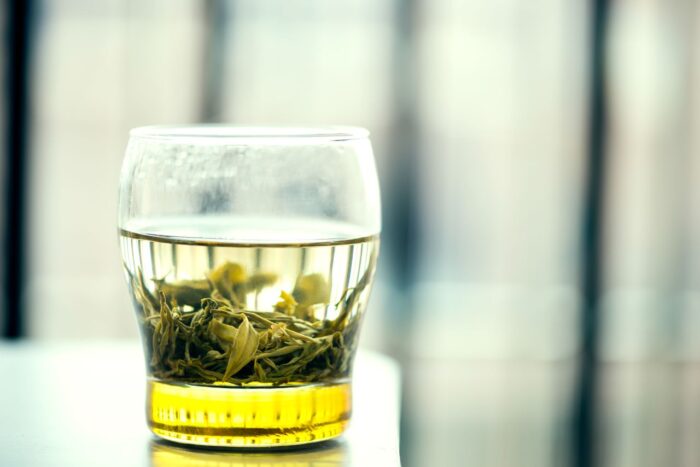
The general rules for a liver-friendly diet apply here too. But there are also a few specific “brewing hacks” that can make the tea taste better and work harder for you.
1. Keep it Unsweetened!
This means you should not drink it with sugar or any sugar substitutes that add carbs (honey, syrups, etc). Compared to coffee (which is also good for fatty liver disease), I found it extremely easy to drink this without added honey or sweeteners.
This is the main rule. Sugar converts directly to fat in the liver, which defeats the purpose of the tea.
If you like to add a bit of milk to your tea, you can still do this, but make sure to use milk that is low in fat (1.5% or less) or any other similar milk substitute that is natural and without any added sugars or chemicals.
2. Watch the Water Temperature!
Many people hate green tea because they think it tastes bitter or “grassy.” This usually happens because they burn the leaves.
To avoid this, never pour boiling water directly onto green tea, as this makes it release tannins that make it taste bitter.
Instead, let the water cool for a minute or two until it is around 80°C (175°F). This extracts the sweet, vegetal flavors without the bitterness, making it much more enjoyable to drink.
3. The Lemon Hack
I mentioned adding lemon for taste, but there is science behind it too. Adding a squeeze of fresh lemon juice (Vitamin C) actually stabilizes the antioxidants in the tea, helping your body absorb significantly more of the beneficial EGCG. It tastes better and works better, and it’s a solid alternative to plain lemon water.
4. Timing Matters
Green tea contains tannins which can block the absorption of iron from your food. If you struggle with iron levels or anemia, try to drink your tea at least one hour before or after meals, rather than washing your lunch down with it.
5. Cold vs. Hot
If you want to drink it cold, you can prepare it in just a bit of warm water (to extract the nutrients), then add cold water and ice on top. It is refreshing and nice for a hot summer’s day – this is what I plan to drink when the weather gets warm again!
What green tea is best for you?
To be honest, I think that you can choose absolutely any type of green tea and it will be healthy and tasty, as long as it comes from a reputable brand.
You want it to be clean from pesticides. There are concerns that non-organic tea can carry pesticide residue, which is exactly what a struggling liver does not need. Therefore, the best option is to go for an organic Green Tea, as that should be the cleanest of them all.
I don’t always go this route. Sometimes I choose renowned brands whose promise for clean products I trust.
If you can’t decide, I can recommend my favorite which can be bought online: Twinings Green Tea (affiliate link). Or you can go 100% safe and search for an organic green tea (affiliate link). In all honesty, though, any high-quality brand will do the job.
The “Supercharged” Option: Matcha
If you want to take it a step further, look into Matcha. Unlike regular tea where you steep the leaves and throw them away, Matcha is a powder made from the entire ground leaf.
This means you are consuming the whole leaf, giving you a much higher concentration of antioxidants and EGCG compared to a standard teabag. Some people don’t like the taste (I personally do), while others love it. So give it a try if you haven’t done so already!
When you buy it, make sure it’s 100% green tea leaves (many come with “latte” options that have various additives) or choose my favorite one here.
My experience
I personally learned about the benefits of drinking green tea a few months after my diagnosis. I had a period of maybe a couple of months when I drank a cup each day. While consistency dropped as summer arrived (it was too hot for warm tea and back then, for whatever reason, I didn’t consider ice tea), I kept drinking it as often as I could.
As you probably know, I also managed to reverse my fatty liver disease, so I can’t help but wonder if green tea played any role in that success.
At the very least, it surely didn’t cause any harm – although I also took milk thistle, various other doctor-approved supplements (vitamins and magnesium mainly) and most importantly, I followed a strict, liver-friendly diet.
Truth be told, I am sure that the latter played the biggest part in my healing, together with me becoming more active overall.
But even though green tea is not the main thing when it comes to reversing fatty liver disease, at least you’re trying something new – something that might help at least a bit, without risking any side effects (note that green tea has caffeine and some people are not allowed to have it).
But if you have no problems with it, why not give it a try? It’s extremely easy to add green tea to your diet and also get some variety in terms of what you drink. Make sure to discuss this with your doctor first, though!
IMPORTANT WARNING: Brewed Tea vs. Supplements
Before we round things up, I want to give you an important warning: don’t rush to buy green tea pills or supplements!
While drinking brewed green tea is safe and beneficial, taking Green Tea Extract (supplements) can be dangerous. High concentrations of catechins found in supplements have been linked to acute liver toxicity and, in rare cases, liver failure (source here).
When it comes to the liver, natural doesn’t always mean safe if the dosage is unnaturally high. Stick to the brewed tea leaves or matcha powder (and drink within regular daily limits, as instructed by your doctor). Avoid the concentrated pills unless your doctor specifically prescribes and monitors them.
Conclusion
Since the worst thing that could happen if you drink green tea if you have a fatty liver is it having absolutely no health benefits at all, but without without any harm either, I decided to make it a part of my diet.
I did this specifically after considering all the encouraging studies I mentioned above. So unless your doctor tells you not to drink it, go for it – a cup or two per day shouldn’t be too difficult to incorporate into any diet. Just keep an eye on your overall caffeine intake!

I was diagnosed with fatty liver in 2014 and successfully reversed it by mid-2015 using a natural diet and lifestyle changes. Since then, I’ve dedicated over a decade to researching this condition and helping others navigate their own recovery. I am the author of ‘From Fatty Liver to Healthy Liver’ and the founder of this community. My goal is to translate complex medical studies into practical, real-world advice that actually works, combined with my personal experience on the matter.
Could you add in some fruit to help with the taste?
Yes, I would say that fruits can be added as well.
What about green/mint combo tea or decaf green tea from Trader Joe’s? Any experience with that?
Haven’t tried the decaf one, but I drink green/mint combo often. I don’t think that adding the mint reduces its effectiveness.
A squeeze of lemon will boost the benefit of green tea for fatty liver. STASH is another green tea that I enjoy. Green tea is actually great cold. Bring 32oz of water to almost a boil, pour over 8 green tea bags, and steep for 5-8 minutes. Let it sit to cool, then add a little fresh ice and lemon if you desire, refrigerate. It is a great iced tea drink, a sprig of mint if you like mint is a nice addition.
Indeed, especially during the summer, I also like to drink it cold, although I don’t make it as strong and use 4 bags for the same quantity.
Link for the study conducted in 2008 is invalid.. You might consider an update to this article.
Thank you for the heads up – I updated the link to point to a valid source.