
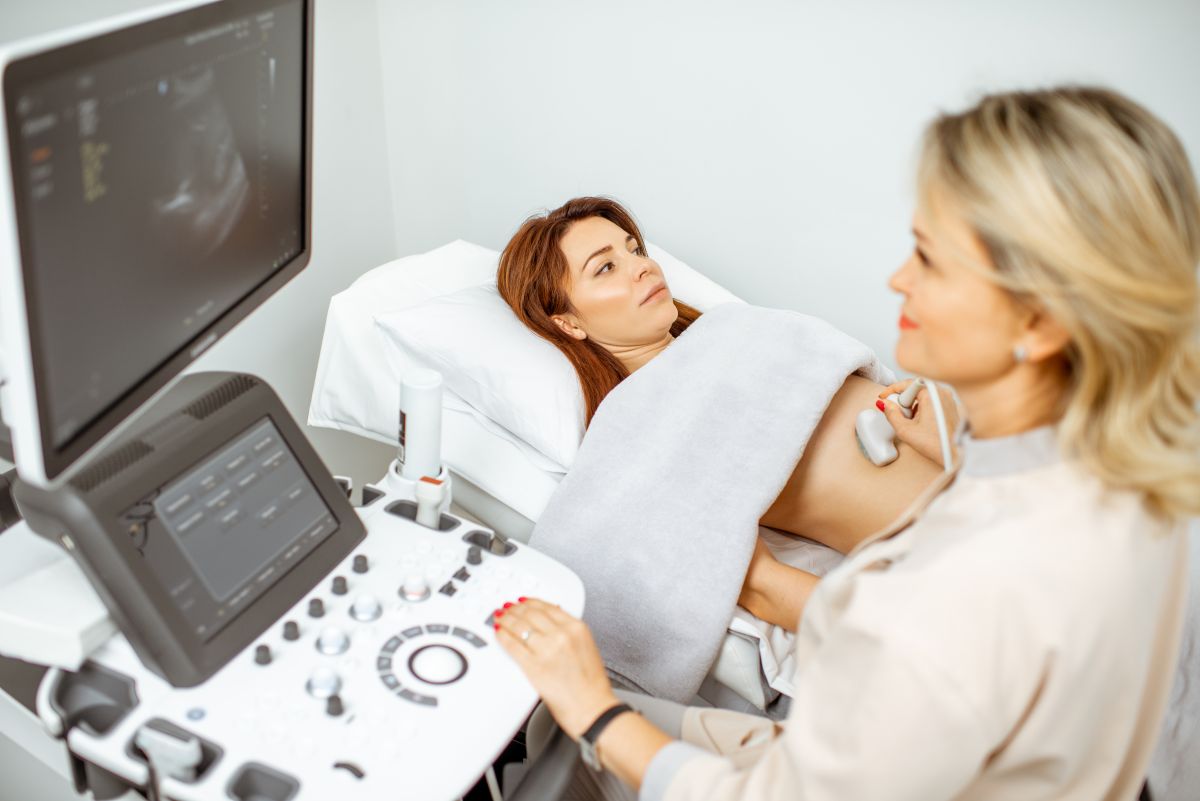
If you’re reading this, chances are you’ve been diagnosed with fatty liver disease and want to know exactly what your diagnosis means. Here’s the good news: no matter the grade, fatty liver can be reversed with the right lifestyle changes which include dieting and exercising.
Fatty liver disease is divided into different grades of severity based on the amount of fat stored in the organ, with lower numbers indicating milder stages. The higher the number, the more advanced the condition and the more time will be required to reverse it.
But let’s jump into more details on what these grades mean for your liver and how you can take action – I’ll share my own experience and what worked for me, not just generic study findings and textbook material.
Grade 1 Fatty Liver: Here’s what It Means
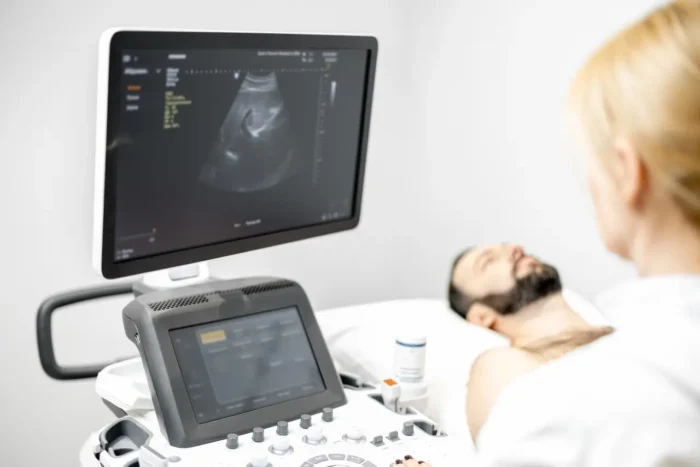
Grade 1 fatty liver is the mildest stage, but one that still indicates that your liver has an unhealthy amount of fat cells: between 5% to 33% of your liver is made up of fat cells.
The fat is not only on the liver’s surface, but actually accumulates as microscopic droplets inside your liver cells (hepatocytes). At this early stage, it is not significantly impacting liver function yet and because of this, diagnosis in this stage is usually the easiest to reverse.
At the same time, doctors will detect grade 1 fatty liver during a routine ultrasound, as there might be no symptoms at this stage.
Even blood test results can come back normal with Stage 1 fatty liver disease (NAFLD/MASLD). So unless an ultrasound is performed, it will usually go unnoticed by both you and your physician.
But if you do catch it early on, it’s also the easiest to reverse with the proper lifestyle changes (like cutting back on saturated fats, saying goodbye to sugar, and getting a bit of exercise).
Grade 2 Fatty Liver: Here’s what It Means
Grade 2 fatty liver means that about 34% to 66% of your liver is now composed of fat. Things start to change significantly inside the organ at this point, as more fat droplets pack into the liver cells, making it enlarged and inflamed.
At this stage, you might start experiencing symptoms – like mild pain in the upper right abdomen, unexplained fatigue, bloating, and nausea and your liver might have a harder time working properly.
Blood test results can show elevated liver enzymes – mainly ALT and AST – although that’s still not always the case.
If you are diagnosed at this stage, you might hear doctors use the term “hepatocyte ballooning.” This does not mean fat cells are literally ballooning and/or bursting. Instead, it is a medical term indicating that the liver cells themselves are injured and swollen due to the ongoing inflammation.
An ultrasound will confirm the diagnosis, as well as other MASLD-specific tests like a FibroScan, liver biopsy, and an MRI scan.
This is the stage where I was diagnosed, and I’ll be honest: hearing the words “moderate fatty liver” felt heavy. But I managed to reverse it, one step at a time, by seriously adjusting my diet and getting serious about exercise.
How fast will you reverse Grade 2 Fatty Liver?
Reversing grade 2 fatty liver is possible, but it will usually take longer than reversing grade 1. I needed 18 months to get the confirmation that my fatty liver was reversed, so expect a similar timeline, anywhere from half a year to 18 months.
This depends on how consistent you are with lifestyle changes – and you should be VERY serious, otherwise the condition might get even more serious.
The speed of your recovery is, in most cases, tied directly to weight loss, the medical consensus being that losing around 10% of your total body weight can significantly reduce liver fat and reverse inflammation.
If you want to get more in-depth with potential timelines depending on your current stage, I have an article on how long it takes to reverse fatty liver disease.
Grade 3 Fatty Liver: Here’s what It Means
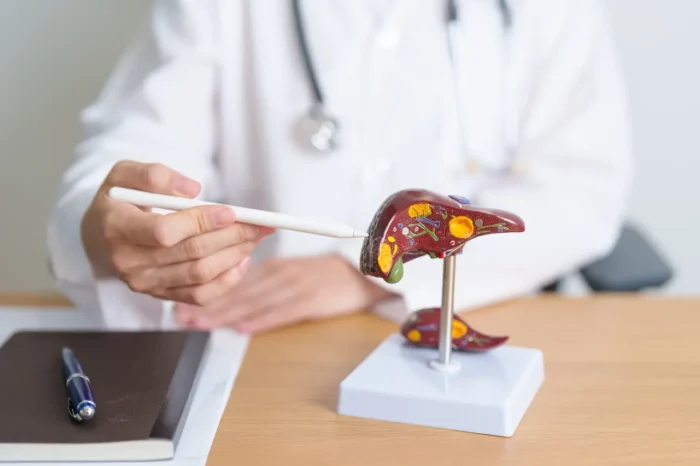
Grade 3 fatty liver, the most severe stage of liver steatosis, means more than two-thirds (66%) of your liver is composed of fat cells.
At this point, the liver is inflamed and may even be scarred (aka show signs of fibrosis).
Keep in mind that fibrosis stages (F0 through F4) measure the amount of scarring. You can have Grade 3 fatty liver, but zero scarring, but at this stage, if the chronic inflammation is left unchecked, it might trigger the liver to produce permanent scar tissue.
Chronic inflammation makes it harder for the liver to process nutrients and filter out toxins, which can lead to more serious issues, and at this stage, you will usually have all the symptoms associated with MASLD (NAFLD).
Left untreated for too long, a fatty liver in stage three can lead to much more serious health issues and permanent liver damage. In the end, it can become life-threatening, so it’s not something to ignore or even take lightly.
Fortunately, even Grade 3 fatty liver disease can be reversed. It might take up to two years in most cases (potentially more), but if you start now and commit to lifestyle changes, you can slowly progress back through the stages, from grade 3 to grade 2 and then to grade 1.
I recommend reading my book on my experience reversing this condition – From Fatty Liver to Healthy Liver (at Amazon – both Kindle and paperback, but also Google Books or Apple Books). It guides you through all the steps you should take to reverse the condition based on my personal experience and extensive research.
Can All Grades of Fatty Liver Be Reversed?
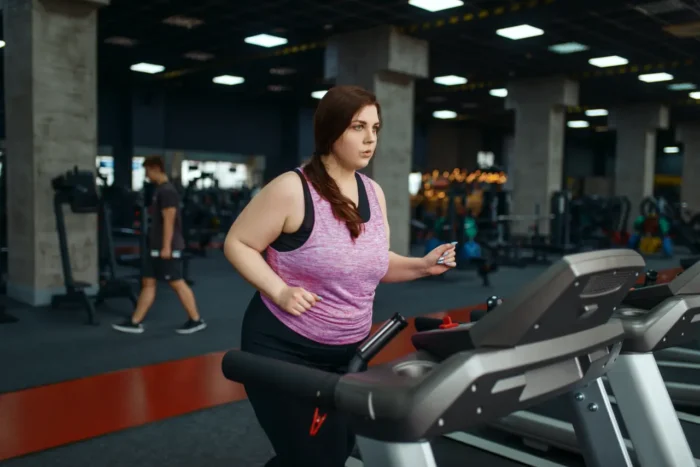
Yes! The beauty of the liver is its ability to heal, as long as we give it the right environment to do so.
Based on clinical targets and my conversations with others who have beaten this, here is what you can expect depending on your current grade:
- Grade 1: Following the required lifestyle changes, many people can reverse this stage in up to six months.
- Grade 2: Expect around a year to 18 months to reverse your condition.
- Grade 3: It might take around two years (or even a bit more) to see full reversal, but reversal is still possible.
Note: Depending on your age and how serious you are with adjusting your diet and exercising, the timelines above can be shortened greatly (or take longer, if you don’t treat this seriously).
I talked to younger people, in their 20s, who managed to reverse their fatty liver disease in as little as two months!
Final words
From grade 1 to grade 3, fatty liver disease is a spectrum, but it’s not a life sentence.
The differences in each grade are dependent on the contribution of fat cells to the overall weight of the liver as well as the impact of excess fat cells on the functionality of the organ.
Reversing this condition is possible at every stage with a proactive approach and consistent lifestyle changes. The goal is simple: get your liver back to a healthy state by reducing fat cells to less than 5% of its total weight.
I need your help to keep this website alive! Consider becoming a Patron to help me achieve that. Thank you!
Additional References
Apart from personal experience and general research, here are some of the main sources I have used when researching for this article:
- https://www.ncbi.nlm.nih.gov/pmc/articles/PMC2659893/
- https://www.medicalnewstoday.com/articles/hepatomegaly-enlarged-liver
- https://www.aasld.org/practice-guidelines


I was diagnosed with fatty liver in 2014 and successfully reversed it by mid-2015 using a natural diet and lifestyle changes. Since then, I’ve dedicated over a decade to researching this condition and helping others navigate their own recovery. I am the author of ‘From Fatty Liver to Healthy Liver’ and the founder of this community. My goal is to translate complex medical studies into practical, real-world advice that actually works, combined with my personal experience on the matter.