
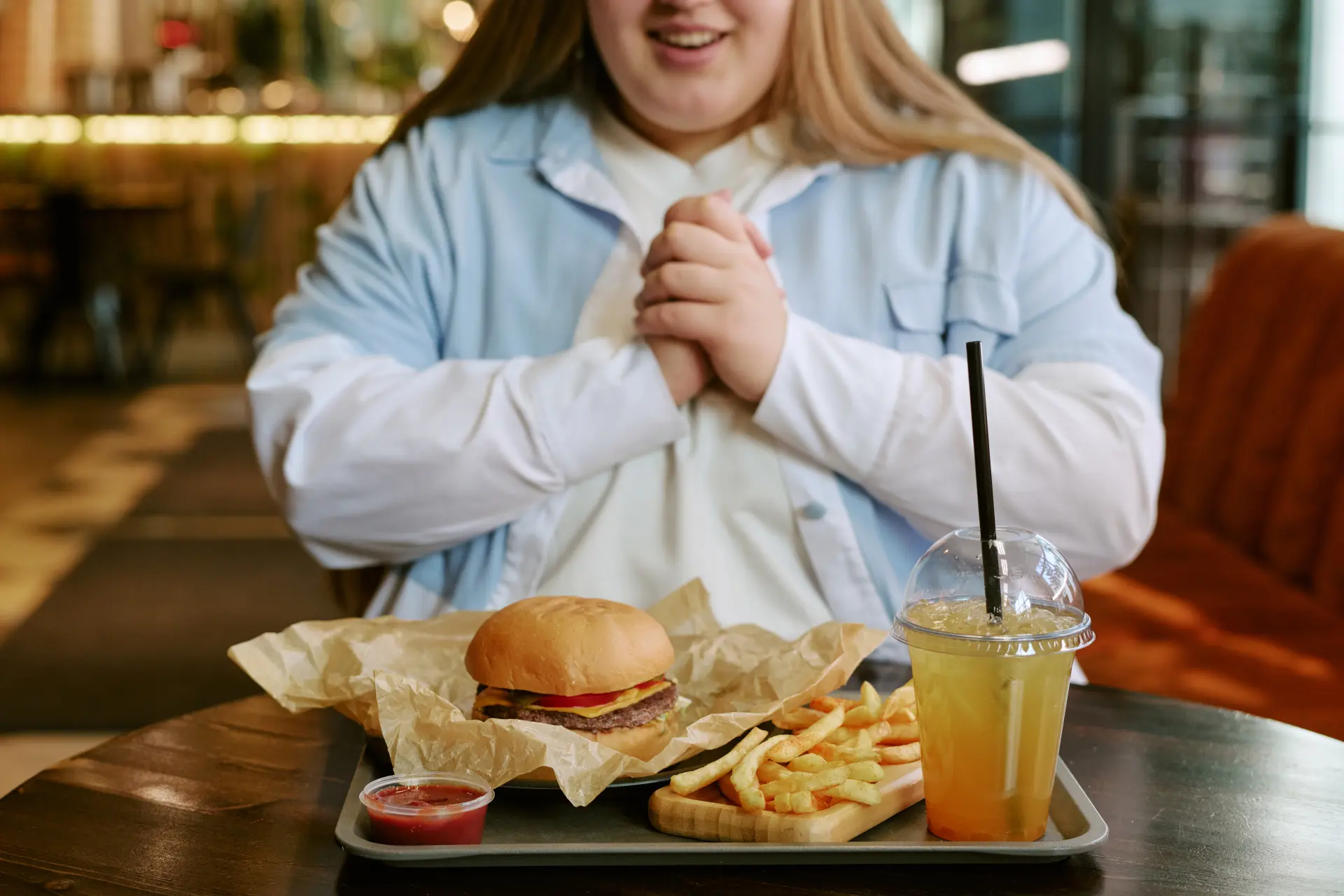
Let me start with a word of encouragement: if your child has just been diagnosed with fatty liver disease (now called MASLD – Metabolic Dysfunction-Associated Steatotic Liver Disease), DON’T PANIC!
I can only imagine that you feel like the entire sky is ready to fall on your shoulders, but it’s not as bad as you might think. Fatty liver disease can be cured (the term used is “reversed”)!
I reversed my fatty liver disease after strict dietary and lifestyle changes, and many other people have managed to reverse their condition in anything between a few months to a couple of years.
While it’s not going to be easy, and definitely not something that should be ignored (as some wrongfully do), it’s also not an incurable problem. It might be a bit more difficult for a younger patient, especially since they will have to give up tasty foods they enjoy eating, but it is doable.
Today’s article will help you better understand fatty liver in children and teenagers, sharing everything you should know about this disease, what has most likely caused it, and, most importantly, how you can actively help your loved one reverse it.
What is Pediatric MASLD and Why is it Happening Now?
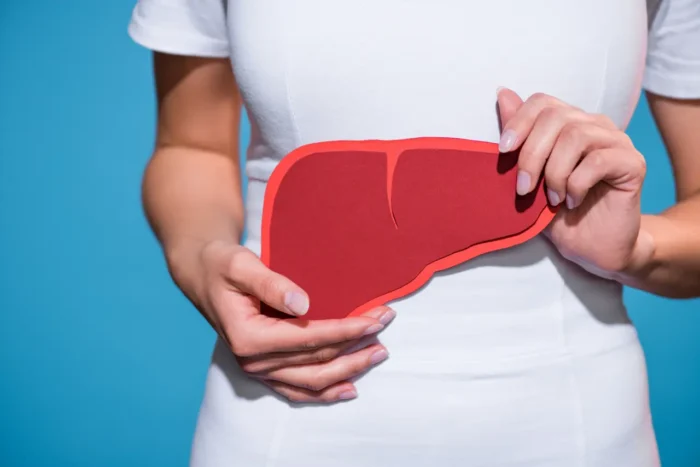
Formerly known as NAFLD, this condition occurs when excess fat accumulates within the liver tissue. Over time, that fat buildup causes inflammation and scarring.
Left untreated, continuous scarring can lead to permanent liver damage and eventually liver failure.
The medical jargon sounds terrifying, but the reality is manageable and requires a coordinated effort between parents, the child, and medical professionals.
We used to view this entirely as an adult condition linked to decades of poor lifestyle choices, lack of physical activity and poor eating habits. Nowadays, it is one of the most common chronic liver conditions in children worldwide. (Source here)
The scary thing about it is that, for the most part, it is a silent condition that – especially in children – will often go unnoticed.
Doctors typically catch the condition during routine blood tests or ultrasounds requested for completely unrelated reasons, as the symptoms of a fatty liver disease can be mistaken for something else.
The Root Causes of Fat Accumulation in a Child’s Liver

A combination of a sedentary lifestyle and a highly processed diet serves as the primary engine for fatty liver in teenagers and children.
However, genetics can play a significant role, as some teenagers are genetically predisposed to retain liver fat – with the lack of daily physical activity only accelerating the process.
Sugar acts as the primary driver of fatty liver disease in children. It hides under many names on ingredient labels, including high fructose corn syrup, fructose, glucose, sucrose, and fruit juice concentrate (to name just some of its names).
If a child eats a whole apple, the natural fiber slows down digestion. If that same child drinks a processed fruit juice or soda, a concentrated dose of sugar hits the liver directly and almost instantly.
The organ cannot process this massive influx of energy, so it converts the excess into fat cells stored within the liver tissue itself. I discussed how to manage these exact limits in my guide on Fatty Liver and Sugar: How Much to Eat Per Day
Obesity remains a leading parallel factor in this equation. Excess body weight increases the overall stress on the metabolic system, making the liver more susceptible to fat accumulation.
Apart from sugar, a diet high in fat – especially unhealthy, saturated fats – compounds this issue, giving the liver more material than it can efficiently burn.
Recognizing the Signs of Fatty Liver and Lab Markers

I wrote an article about five warning signs you might have a fatty liver, and I recommend checking it out if you suspect your child has MASLD.
Pediatric MASLD usually goes under the radar, as I already mentioned.
Children in the early stages look completely healthy, and physicians usually identify the problem by checking two specific liver enzymes on a routine blood panel: alanine aminotransferase (ALT) and aspartate aminotransferase (AST).
Elevated levels of these enzymes indicate that cells are inflamed and leaking into the bloodstream.
At the same time, if an ultrasound is done for whatever reason, it will most likely catch the fatty liver even before the ALT and AST become elevated.
If you have the slightest concern that your child has a fatty liver disease, visit a doctor ASAP. This is mandatory if there is a history of MASLD in the family, and also a smart yearly precaution if their diet historically relied on heavily processed or sugary items.
Treatment Options and Medication

Hearing that your child has liver disease immediately makes a parent want a prescription to fix it. However, there is still no FDA-approved pill for treating pediatric MASLD.
Instead, the treatment is is heavily focused on lifestyle intervention – meaning that your child must change what they eat, how often (and how large of a portion), and also bring exercise into their lives.
Since MASLD is, in most cases, associated with poor eating habits and a lack of activity, it is these two areas that require intervention and creation of healthy habits to ensure that, on the long term, your child remains healthy.
For older teenagers dealing with severe accompanying obesity, physicians might utilize GLP-1 receptor agonists to assist with weight loss, which indirectly improves liver health.
Doctors sometimes prescribe weight-loss medications like Wegovy for older teenagers dealing with severe accompanying obesity.
These drugs assist with weight loss, which indirectly improves liver health, but they are not standalone cures and require strict medical supervision. Lifestyle intervention remains the absolute gold standard for young patients.
If you heard about Rezdiffra being FDA-approved, that is indeed correct, but just for adults with advanced scarring. All pharmaceutical routes require strict medical supervision and are never considered standalone cures.
Even though it is the more difficult path, the diet route is the best approach in this case. For the vast majority of young patients, lifestyle changes are the primary prescription.
Weight loss directly reduces the volume of fat trapped in the liver. Shifting to a diet high in whole grains, lean protein, whole fruits, and vegetables provides the liver with the nutrients it needs to heal.
Regular exercise forces the body to burn stored fat for fuel, clearing out the liver tissue in the process. Regular monitoring through follow-up blood tests and imaging ensures these interventions are working.
I wrote more in-depth about the diet I followed to reverse my condition here. Or, if you prefer a complete walkthrough, you can check out my book From Fatty Liver to Healthy Liver – it goes in-depth with my experience reversing fatty liver (as an adult), and I believe it will be extremely useful.
Protecting Mental Health During a Dietary Transition

Telling a teenager they need to diet for their liver is a difficult, delicate conversation. The goal is to heal their liver without triggering an eating disorder or causing body image trauma.
You must ensure they understand the seriousness of the condition while keeping the environment supportive.
You will have to actively follow the same diet your children will. You can’t continue eating chocolate bars, chugging soda, and eating fast food constantly and think they will easily switch to whole fruits, vegetables and low-fat options.
Focus the family dynamic on adding healthy habits rather than punishing current ones. I highly recommend working with a registered pediatric dietitian.
A professional can help navigate school lunches and birthday parties so the child does not feel isolated from their peers.
I know from my own experience how difficult this is – and I was an adult dealing with this condition. I can only imagine it’s even more difficult for a younger patient, but it really is the thing that has to be done.
Practical Solutions for Parents: The Lunchbox Makeover

The fastest way to reduce liver fat is to restructure the daily lunchbox and pantry snacks. Instead of relying on processed items, try these direct swaps:
- Replace fruit juices and sodas with water infused with real lemon or cucumber. Lemon water is actually considered helpful in this situation.
- Swap highly processed snack bars for roasted nuts or seeds (but not dried fruits, as they usually have added sugar and are high in carbs anyway).
- Trade white bread sandwiches for whole-grain wraps packed with lean turkey and spinach at the very least or opt for healthy bread replacements.
I truly believe that most parents will need help from a professional here, so make sure to get it as soon as possible. This will help you and the entire family become healthier. Modeling healthy behaviors sets the baseline for the entire family.
As far as physical activity goes, you should find something the child actually enjoys. Aiming for 60 minutes of movement a day does not require a gym membership. It can look like neighborhood bike rides, dancing, or organized sports.
To support that activity, set strict limits on screen time. Keeping recreational screen use under two hours a day naturally forces kids to find active ways to entertain themselves.
Sleep is the final pillar of liver health. The body repairs metabolic damage overnight. Ensure your child gets eight to ten hours of quality sleep, keeping digital devices out of the bedroom to prevent late-night scrolling.
Fortunately, the liver is a highly regenerative organ. Fatty liver disease can be completely reversed in children and teenagers, even though it won’t be as easy as taking a pill.
Further reading
Apart from the articles I have linked to above, I went through the archives and selected what I consider the most helpful articles you should read to better understand this condition and especially how to deal with it.
Please, treat this with the responsability and seriosity you should, keeping in mind that it’s your child’s well being in play here!
- Foods You Must Stop Eating After a MASLD Diagnosis
- 10 Liver-Friendly Superfoods You Should Eat Often
- This Is the Best Oil for Fatty Liver
- Fatty Liver-Friendly Fruits
- How Long Does It Take to Reverse Fatty Liver?
- Delicious Fatty Liver-Friendly Recipes
- Just Diagnosed with a Fatty Liver? Start Here!
Conclusion
Metabolic dysfunction-associated steatotic liver disease is a modern pediatric epidemic. It sounds terrifying on paper, but it is a manageable and highly reversible condition.
It won’t be easy, but completely improving both the eating habits and activity levels are a must, helping the child on the long term and building the foundation for a healthy adult who will never have to deal with similar issues.
Work closely with your pediatric hepatologist to map out a clear plan. With the right adjustments to daily routines, your child can completely restore their liver function and move forward with a clean bill of health – and most likely, you will become much healthier by walking that same path alongside them.


I was diagnosed with fatty liver in 2014 and successfully reversed it by mid-2015 using a natural diet and lifestyle changes. Since then, I’ve dedicated over a decade to researching this condition and helping others navigate their own recovery. I am the author of ‘From Fatty Liver to Healthy Liver’ and the founder of this community. My goal is to translate complex medical studies into practical, real-world advice that actually works, combined with my personal experience on the matter.