
Note: This article is based on my personal experience and research. I am not a doctor or a dietitian, and this content is for informational purposes only. Always consult with your healthcare provider before making any changes to your diet or lifestyle.
If you’re anything like me, giving up rice feels like a huge blow – especially if a good sushi roll makes you happy.
But it’s exactly that reaction that shows how we think about dieting for reversing MASLD (formerly NAFLD): it’s either fine or it’s forbidden, with nothing in between. The real answer is always less dramatic, more nuanced and useful.
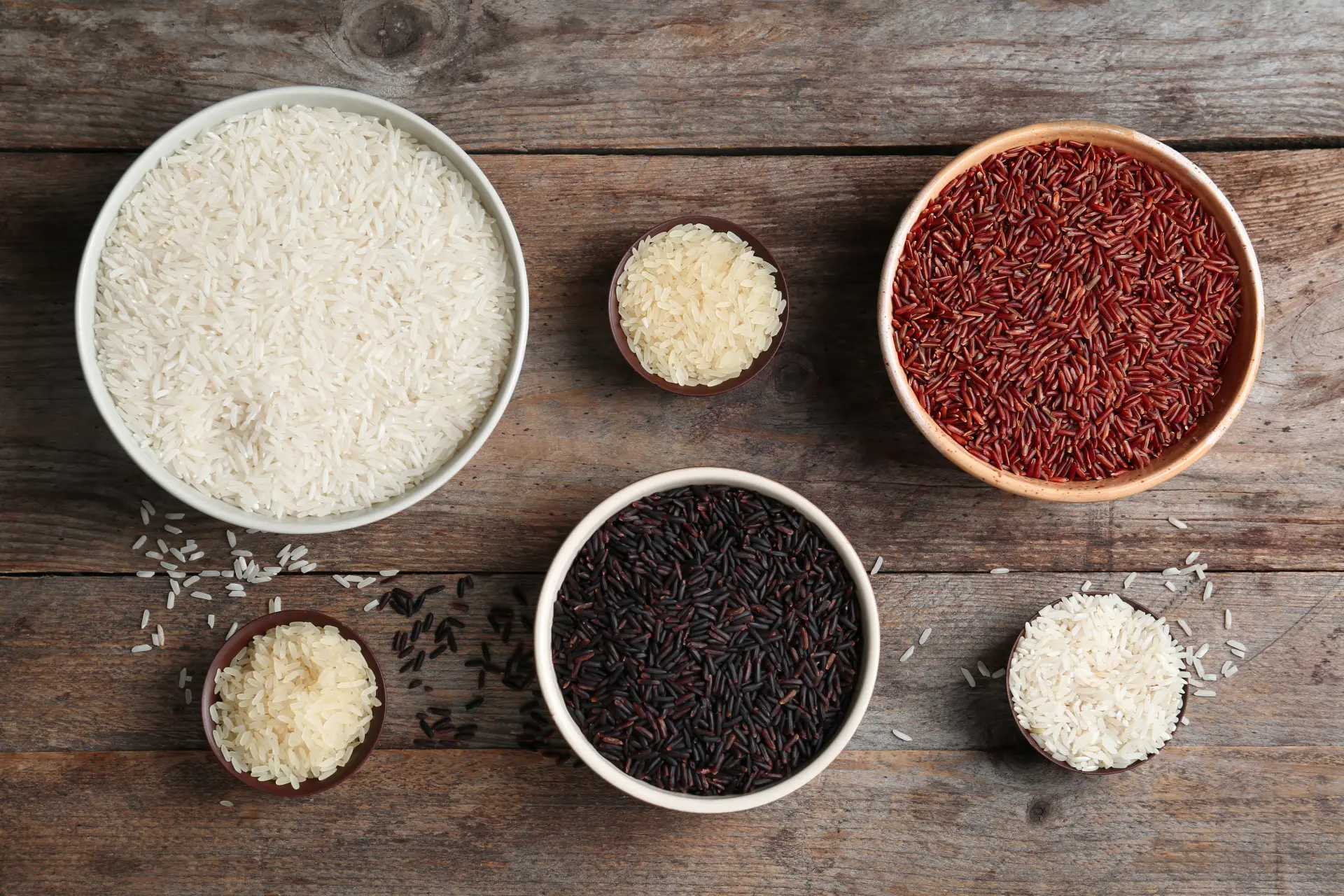
And this answer depends on the type of rice you’re consuming, as it’s not a single food. White, brown, and black rice come from the same plant, but they behave like three different foods inside your body, and inside your liver specifically.
Here’s what my personal experience dealing with fatty liver disease, research and doctors say about eating rice after a MASLD diagnosis.
Why White Rice Is on the “Avoid” List
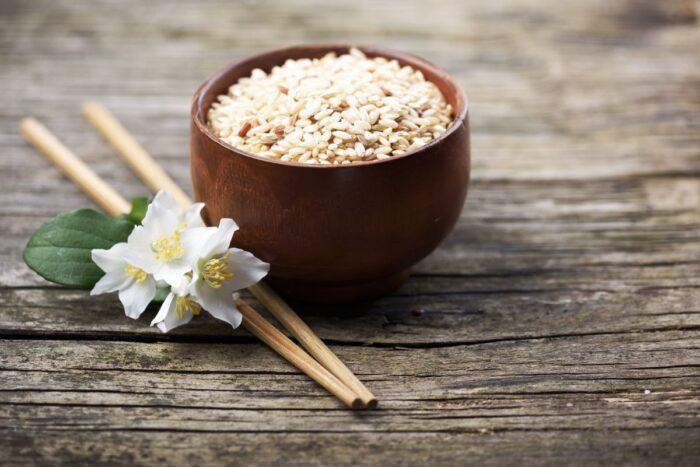
White rice is highly refined, meaning most of its fiber, vitamins, and minerals are stripped away.
A cup of cooked white rice is packed with carbohydrates – almost the same as three slices of white bread – and you shouldn’t eat bread either (although you can try healthy bread alternatives).
Refined carbohydrates with the fiber milled out of them raise blood sugar quickly, and diets heavy in that kind of fast-digesting starch have been linked to a higher risk of type 2 diabetes, which is also one of the highest risk factors for MASLD.
(Source: via the US Department of Agriculture nutrition info of white rice & white bread).
That doesn’t mean rice is the cause of a fatty liver, but that refined carbohydrates consumed in excess and without fiber can make things worse.
As a result, white rice should be excluded from your diet. While a small bowl every now and then won’t mean the end of the world, it’s usually best to stay away from it completely instead of risking overeating or making eating it a habit.
For most of us, it’s not nice to hear, but it’s something that has to be done if you want to get your health back. Fortunately, there are some alternatives to help make the transition easier!
Speaking of getting your health back, have you checked out my book titled From Fatty Liver to Healthy Liver? It’s about how I reversed my MASLD/NALFD naturally and is filled with actionable tips you can follow to improve your health.
Better Options: Brown Rice and Black Rice
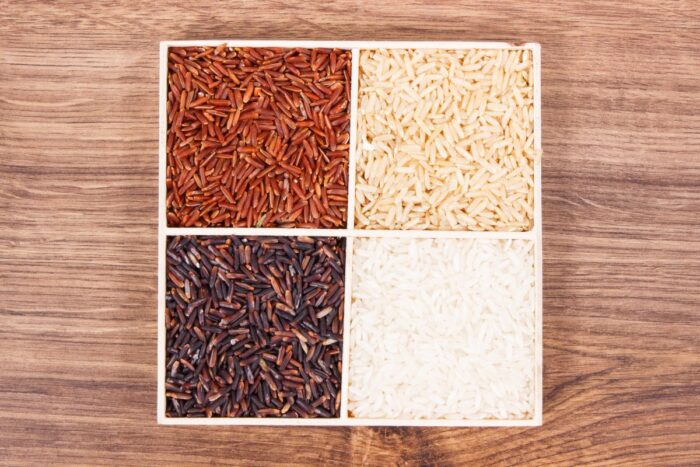
If you can’t have a meal without rice, you must switch over to brown rice, black rice, or any type of whole rice that you can find. You should still eat them in moderation.
Whole grains like brown/black rice haven’t gone through the refining process that removes all the good stuff.
You get more fiber, vitamins, minerals, and antioxidants. These nutrients can help with weight management, blood sugar control, and inflammation reduction – all big wins for a healthier liver.
Brown rice is also high in antioxidants, which are important in cleansing the toxins inside our body and allow biological processes to occur smoothly.
Another mineral that is present in brown rice and plays a major role for the liver is selenium. Selenium aids in our body’s antioxidant activity. It helps activate the enzyme, glutathione peroxidase, which helps the liver detoxify and neutralize toxins.
Black rice has even more antioxidants, protein, iron, and fiber than brown and white rice. It also has a low glycemic index which makes it an ideal rice for a fatty liver diet.
Let’s look at this study conducted on obese Zucker rats. A brown rice diet for 10 weeks helped prevent fatty liver in these rats. Although it wasn’t conducted in humans, it still shows that some rice varieties are safer than others.
We also have this study conducted by the Harvard School of Public Health showing that replacing white rice with brown rice lowers the risk of type 2 diabetes.
Personal note: I switched to brown rice after being diagnosed and rarely had the white variety since. It took some time to get used to its nuttier taste and firmer texture, but it worked well in the end. As an added bonus, I stay full longer.
Nowadays, I go for black rice because it’s softer, a bit sweeter in flavor, and tastier in my opinion. Plus, it makes any dish look fancy with its deep color!
The arsenic trade-off in brown and black rice
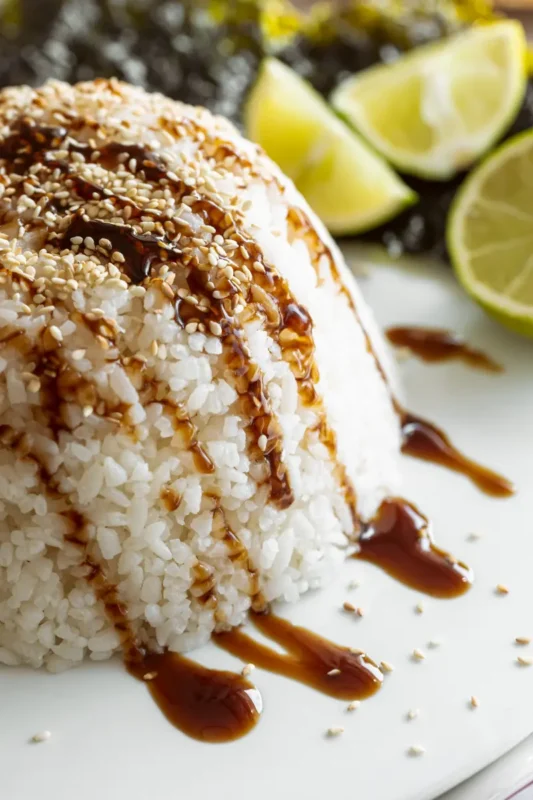
Since we can never seem to get a full “YES” whenever it comes to what we eat, here’s a trade-off from switching from white rice to brown or black.
The bran layer that makes these types of rice more nutritious is also where rice concentrates inorganic arsenic, a naturally occurring element that rice absorbs more readily than almost any other grain.
Milling white rice removes that bran, stripping both the nutrients and most of the arsenic.
A 2025 Michigan State University study found that white rice indeed has significantly less arsenic than brown or black rice.
As a result, adults who regularly eat brown rice have higher arsenic exposure than white rice eaters, and young children eating brown rice regularly can exceed recommended safe intake levels.
None of this means brown or black rice is dangerous at normal adult portions. Also, there is not enough research to decide if benefits outweigh the risks (as this study says). But it’s an important thing to keep in mind to motivate you keep portions under control.
Black Rice Recommendations
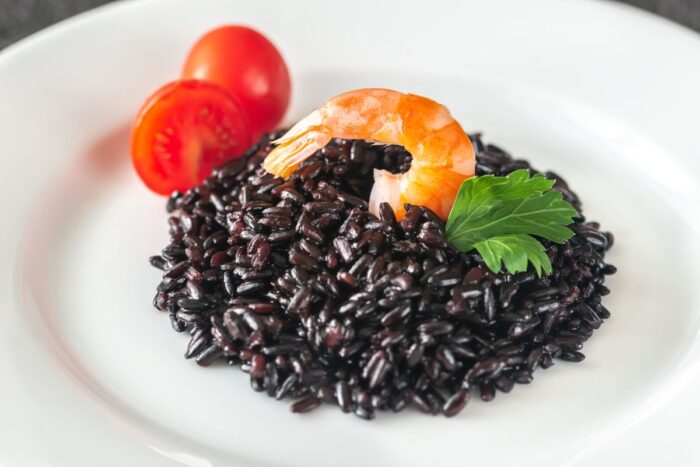
Since this is what I eat almost exclusively nowadays (when it comes to rice), I want to recommend a few great options if you want to make the switch too.
As a fun fact, Black rice was once considered a special food for the nobles and royalties only. This is why it is also known as “forbidden rice”.
Today, it can be found at any health food stores, Asian grocery stores, and Amazon. Check out my favorites below (affiliate links):
- Lotus Foods Forbidden Rice – is 100% organic, gluten-free, and vegan. Lotus Foods is one of the first companies to introduce black rice in the US.
- RiceSelect Premium Black Rice – a delicious, nutty-flavored rice that is all-natural, non-GMO, BPA- and sulfite-free. It can also be used in soups.
- RiceSelect Premium Black Rice – is low-fat, cholesterol-free, and suitable for vegans and vegetarians. Perfect for stir-fries and curry.
Portion Sizes, How Often to Eat and a Trick to Make Rice Healthier
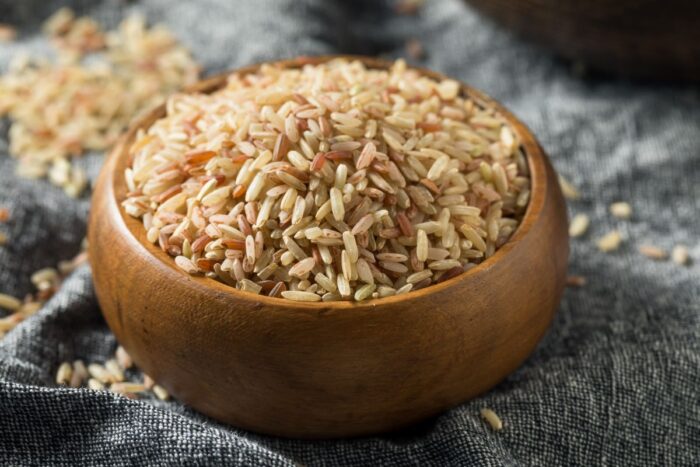
Like all foods that are part of a healthy, MASLD-friendly diet, eating in moderation is key. What does that mean?
You should only have small portions of black or brown rice – a serving being from ½ to ¾ cup (cooked).
Try limiting rice meals to a few times a week at most, depending on your overall carbohydrate intake and exercise routine, mixing it with other liver-friendly foods and superfoods.
And now, here’s a trick that makes rice healthier, no matter its color. Cooking it, then cooling it in the fridge before reheating and eating it, increases resistant starch, a type your body processes more like fiber than sugar.
Research on this effect has found that it can lower the blood sugar response to a serving of rice, including white rice. It won’t turn white rice into a health food, but any extra benefit is welcome.
Conclusion
At the end of the day, focusing on a balanced diet is a must. White rice should be eliminated from the diet and replaced with whole grains, including brown and/or black rice.
Even so, make sure to keep portions in check, combine it with lean proteins, healthy fats, and vegetables and stay active.
I personally switched to using brown rice and black rice instead of white and it’s the best decision I made not only for my liver but for my overall health.
You can check my meal plan for a week here to see what options you have. Don’t overeat and talk to your doctor or nutritionist before you start a diet plan.
Enjoying this content? Support the site on Patreon to help fuel future guides and resources! Thank you!

I was diagnosed with fatty liver in 2014 and successfully reversed it by mid-2015 using a natural diet and lifestyle changes. Since then, I’ve dedicated over a decade to researching this condition and helping others navigate their own recovery. I am the author of ‘From Fatty Liver to Healthy Liver’ and the founder of this community. My goal is to translate complex medical studies into practical, real-world advice that actually works, combined with my personal experience on the matter.
Hello, how much grams of brown rice maximum should you be eating daily? What is the total amount of carbs? with and without vegetables?
I have answered these questions here: https://www.fattyliverdiary.com/fatty-liver-and-sugar-how-much-to-eat-per-day/
Hi, I appreciate what you are doing and feel a little guilty as this is the 2nd time I’ve questioned some of your conclusions. Have you taken a deep dive into researching how refrigerating/freezing white rice changes to it’s structure and the affects on our body? All the best.
Matthew, I’m always open to constructive criticism – especially if it ends up being helpful to the reader.
As for the white rice, you’re probably referring to the creation of resistant starch when refrigerating it – which results in fewer calories and effects similar to those of dietary fiber. While this makes it less harmful, there are a few additional things to consider:
– the resistant starch needs 12-24 hours to reach ideal levels (so you have to plan your cooking). You can make this easier by cooking larger batches – BUT ensure you refrigerate at under 4 degrees Celsius to avoid the formation of the dangerous Bacillus cereus bacterium.
– white rice still has most of its nutrients wiped away: vitamins, minerals, and antioxidants are either completely removed or greatly reduced.
As a result, cooking in advance and refrigerating white rice to create the resistant starch still doesn’t make much sense. Sure, it’s better than eating freshly cooked white rice, but it’s still a highly processed food that loses most of its nutritional value compared to brown rice.
I have Fld, but I’m also on warfarin, have irritable bowel, I can’t eat a lot of things on warfarin.
A lot of vedge has bit K and can’t have that.
Can’t eat- grapefruit, cranberry, passion fruit, mango, and a good few more.
I can’t eat brow rice or bread so I’m stuck. Hate chickpeas, salmon.
I’m really stuck, don’t like cuscus either, being 65 we were not brought up with all these foods