
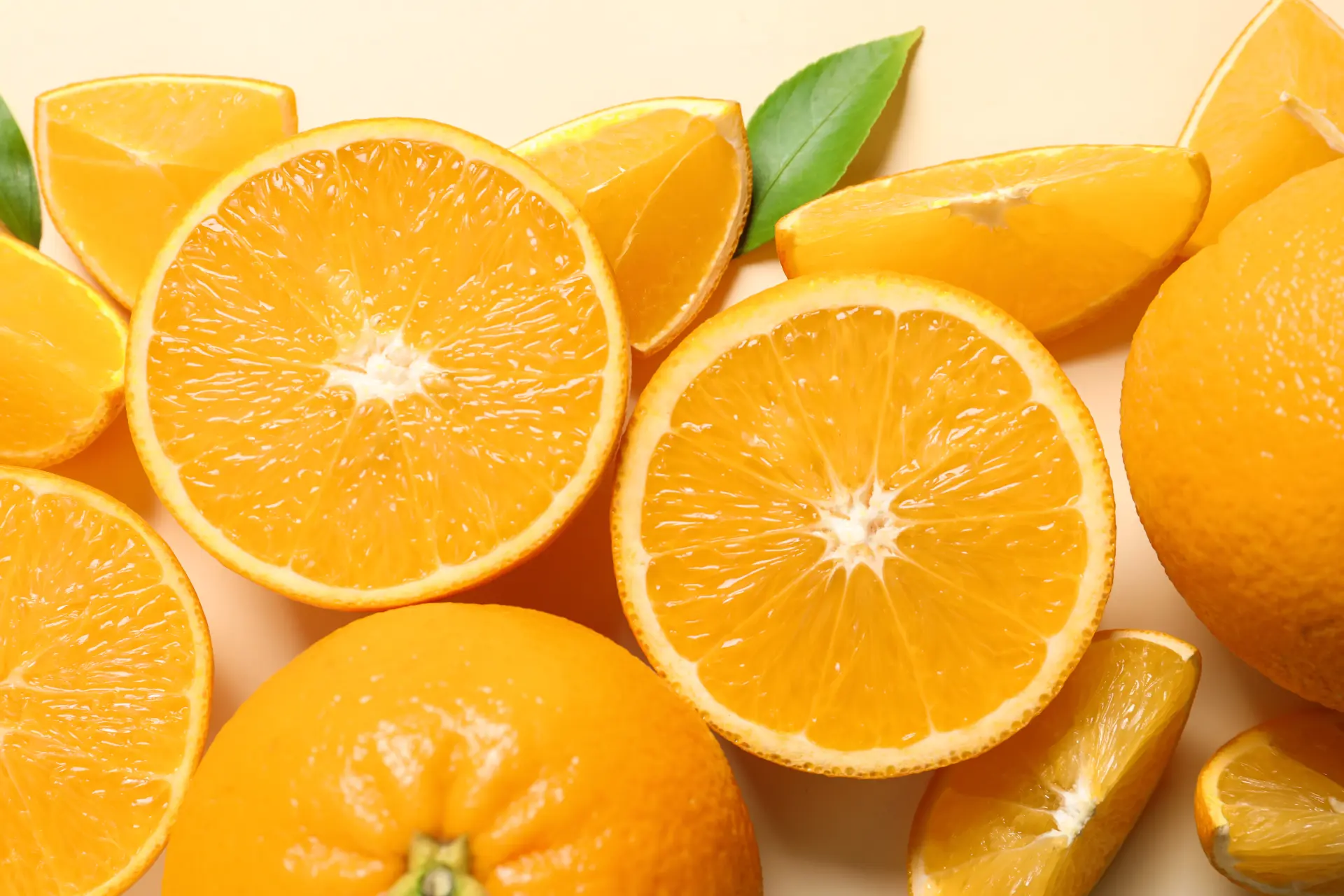
Have you been told to steer clear of oranges because you have a fatty liver? Various voices claim they’re too high in sugar/fructose, while others say they’re an excellent source of vitamins and antioxidants, so you should keep eating them with MASLD/NAFLD.
This is the case with most foods related to our liver’s health: you usually have two, usually completely opposite opinions on the matter. So if you’re feeling confused, it’s absolutely understandable.
Today, I will clear the confusion by talking about eating oranges if you have fatty liver disease, how much to eat and everything else you should know about them.
If you’re in a hurry, the quick answer is yes: you can eat oranges if you have MASLD, formerly known as NAFLD. The medical consensus supports eating one or two whole oranges daily, as long as you completely avoid orange juice.
We’ll get into all the details below, but it’s worth noting that I ate oranges regularly after my diagnosis and successfully reversed my condition.
Fruit Sugars Are Not that Bad
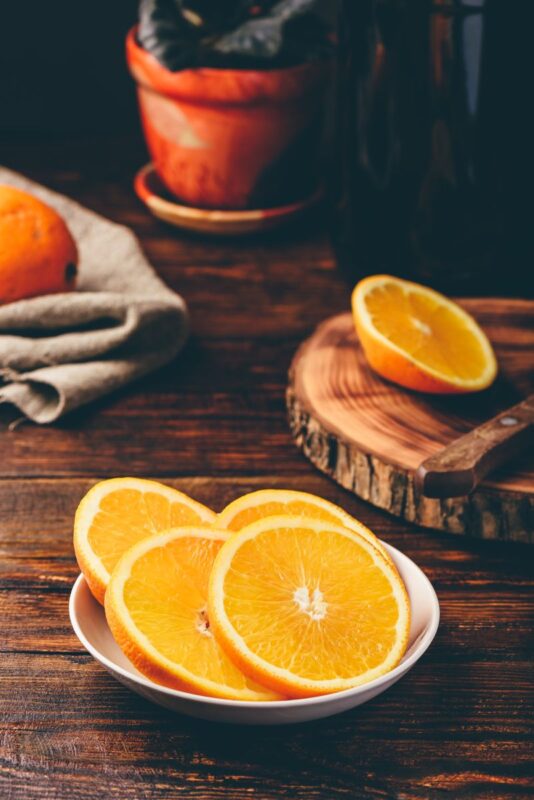
When it comes to oranges – and fruits in general – and fatty liver disease, some people recommend cutting them out of the diet because of the high sugar content via the natural fructose they contain.
This comes from the fact that processed white sugar and high fructose corn syrup or anything similar is linked to inflammation and extra fat storage, which harms the liver.
Fruits contain natural sugars but deliver them alongside fiber, minerals, and other beneficial compounds, making the sugar itself behave differently in your body.
A medium orange (or 100 grams of orange) contains roughly 12 grams of carbohydrates. Three of those grams are pure dietary fiber, which supports the digestive system and slows down the absorption of sugar, preventing rapid blood glucose spikes.
In the end, our bodies have been consuming these natural sugars for hundreds of thousands of years – while white sugar is just several hundred years old.
As a result, many doctors and scientists agree that our bodies are better prepared to handle the natural sugars in fruits, making the latter better choices than, say, candy or baked goods with added processed sugars.
Oranges Are Nutritious and Contain Antioxidants
Oranges offer much more than basic hydration and a sweet taste. They contain vitamin C, polyphenols, carotenoids, and cryptoxanthin. These substances can help reduce inflammation and support overall liver health.
Research from the University of Wisconsin has shown that diets high in carotenoids are linked to lower risks of nonalcoholic fatty liver disease (NAFLD).
Further studies have shown that both carotenoids and vitamin C that mitigate oxidative stress by chemically interacting with free radicals reducing risks of inflammation.
In addition to this, citrus fruits contain cryptoxanthin which has anti-inflammatory effects. Research done concludes that this pigment has positive benefits in NAFLD patients.
They also contain hesperidin and naringenin. These two powerful citrus flavonoids are currently being heavily researched for their ability to reduce hepatic steatosis (aka the extra fat in your liver).
They work alongside vitamin C to mitigate oxidative stress by chemically neutralizing free radicals, directly lowering inflammation risks within the liver tissue. (Various sources, such as this latest research).
Oranges contain fiber that helps the body metabolize fat and cholesterol, helping with weight management. Moreover, fiber increases satiety, potentially helping you reduce your caloric intake. Oranges are also relatively low in calories.
The main caveat is the sugar content, which is why we need to keep an eye on portion sizes.
Glycemic Index and Types of Oranges
Oranges generally have a moderate glycemic index (GI). This means they don’t spike your blood sugar as drastically as high-GI foods.
However, GI can vary slightly between orange varieties. Blood oranges, clementines, and navel oranges have slight differences in taste and nutritional profiles. They’re all similar enough that you can focus on portion control rather than specific varieties.
You Shouldn’t Go Wild Eating Oranges
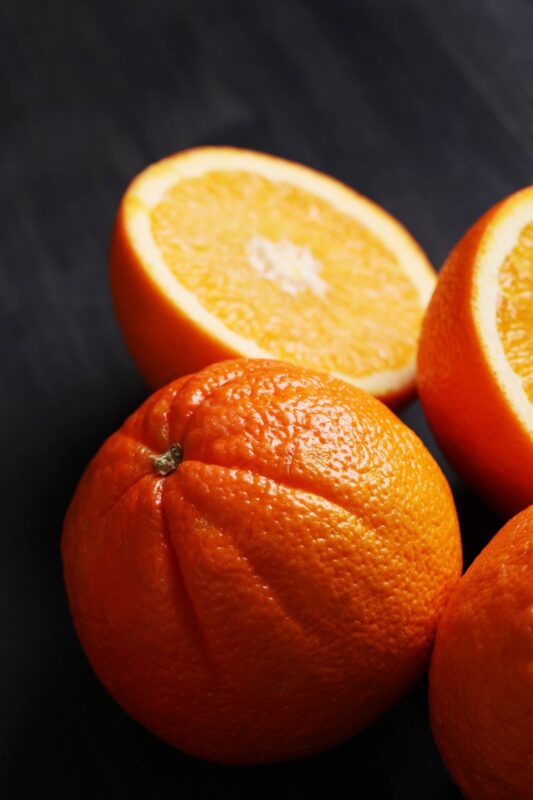
Moderation is key when it comes to eating anything when you have NAFLD/MASLD, and the same goes for oranges. One or two medium oranges per day usually keep you on track, especially if you balance the rest of your meals.
At the same time, make sure that you don’t eat more carbs than you should when all your daily meals are taken into account.
I personally ate oranges after being diagnosed – but usually one every now and then – and I had no problems reversing my condition.
I also ate many other fruits, including bananas, apples, watermelon, and basically everything that was in season. The key is moderating, balanced meals, being active, and following a healthy diet like the Mediterranean one or even a DASH diet.
However, unlike other superfoods, oranges are not a must-eat if you suffer from fatty liver. So if you don’t particularly like them, you can skip them completely.
But if you do enjoy your oranges, eating one per day shouldn’t make your condition worse, as long as you make them part of a healthy diet.
Whole Oranges vs. Orange Juice
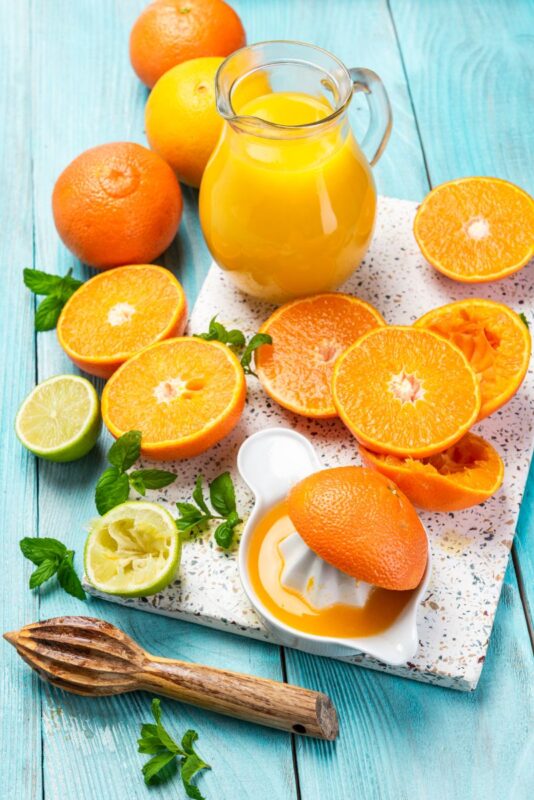
While oranges can be consumed in moderation, things change if we decide to squeeze them and consume them as juice.
This means that we shouldn’t drink orange juice – not even if we prepare it at home from freshly squeezed oranges. In this case, the fruit loses most of its pulp, and, together with it, plenty of its nutrients, especially the fiber.
A standard glass of freshly squeezed orange juice leaves you with around 21 grams of rapidly digesting sugar and only 0.5 grams of fiber.
Juice is easier to overconsume, too, giving the liver a heavier load of fructose at once.
This rapid influx forces the organ to convert the excess sugar into fat, which is exactly what you don’t need more of.
So unfortunately, just like with all sodas and soft drinks, orange juice shouldn’t be consumed if you have a fatty liver. Eat the whole orange instead, as we’ve already discussed in the previous article about juicing and fatty liver disease.
The best way to eat oranges with fatty liver
I usually eat oranges as one of my daily snacks (here are more snack ideas, for free!). Or you can have them as a quick breakfast or light meal if you pair them with a handful of nuts or some yogurt that will help balance out the natural sugars with protein and healthy fats.
If you enjoy them (I unfortunately don’t), you can also mix one or half an orange into a liver-friendly smoothie.
For smoothie recipes and everything else you should know about reversing fatty liver, based on my personal experience defeating the condition, I recommend reading my book, From Fatty Liver to Healthy Liver.
Final Thoughts
A balanced lifestyle that includes exercise and a healthy diet, with a careful look at overall carbohydrate intake will help you reverse fatty liver disease.
Oranges can fit into that lifestyle without causing problems, as long as you eat them in moderation and stick to whole fruits instead of juice.
From my experience, it’s not necessary to give them up completely – just keep an eye on your daily sugar intake and enjoy your oranges, but no more than one or maximum two per day.
Don’t stop learning! Check out my previous articles that help you make better choices when it comes to managing MASLD:
- Best Salad Dressing for Fatty Liver
- Eggplants and fatty liver disease
- How to stay motivated to lose weight for reversing fatty liver

I was diagnosed with fatty liver in 2014 and successfully reversed it by mid-2015 using a natural diet and lifestyle changes. Since then, I’ve dedicated over a decade to researching this condition and helping others navigate their own recovery. I am the author of ‘From Fatty Liver to Healthy Liver’ and the founder of this community. My goal is to translate complex medical studies into practical, real-world advice that actually works, combined with my personal experience on the matter.
so enjoyed this article. Easy reading.
Happy to hear that, Yvonne! Thanks for reading!