

Note: This article is based on my personal experience and research. I am not a doctor or a dietitian, and this content is for informational purposes only. Always consult with your healthcare provider before making any changes to your diet or lifestyle.
Ever since I was diagnosed with a fatty liver back in 2014, I stopped drinking anything that had alcohol in it. Even after managing to reverse my condition, I kept this habit – and I still do today. ZERO alcohol, even though it wasn’t the cause of my fatty liver disease.
Alcohol directly contributes to inflammation, increases liver fat accumulation, and impedes the healing process, so it’s essential to stop drinking if you are serious about keeping your liver healthy and especially reversing NAFLD/MASLD.
As we’ve already seen in my previous article, alcohol is bad for your fatty liver.
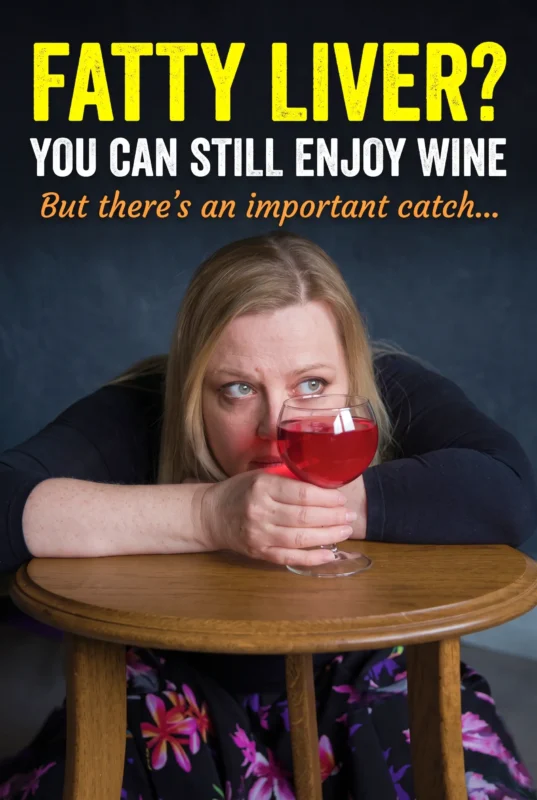
But what about alcohol-free wine? Could you replace regular wine with it? This is what we’re going to talk about today and let me tell you from the beginning that I have some great news for wine lovers out there!
Alcohol-free Wine Is OK(ish)

From personal experience and extensive research, I can say that alcohol-free wine seems safe for fatty liver patients – provided you enjoy it moderately.
I’ve consumed non-alcoholic beverages occasionally after being diagnosed (and a bit more after reversing my condition) and noticed no negative effects.
There is an important catch, though: the alcohol-free wine you’re consuming must not be loaded with additional sugars, chemicals, and artificial flavors. Most are made this way to keep the taste as close to the real deal as possible.
But let’s be honest: NO alcohol-free wine will taste like the “real deal” no matter what. Still, there are some really good options out there that come close.
It’s up to you to decide if they’re close enough or not. If it’s the latter, no problem – there are other enjoyable drinks you can try.
Or maybe try alcohol-free beers instead…
But there’s one more important thing to keep in mind: in some countries, beverages labeled “non-alcoholic” can legally contain up to 0.5% alcohol. And for a compromised liver, even these trace should be avoided.
So always look at the label for “alcohol-free” wording and double-check that it says say 0.0% ABV (or anything similar).
Non-Alcoholic Wine is Healthier Than the Regular Version

I read a study that found out that non alcoholic wine is healthier than regular wine, having better positive effects on lowering blood pressure, for example, than alcoholic wine, as well as coming with other heart-related benefits. Great news!
The health benefits likely come from polyphenols, antioxidants naturally present in grapes, not alcohol itself. Alcohol removal keeps beneficial polyphenols intact, reducing health risks, but providing the same benefits.
This is great news and something to give you extra motivation to stay away from alcohol-loaded products.
Alcohol strains your liver, increasing inflammation and hindering your recovery. Removing alcohol (ethanol) from wine dramatically reduces the stress on your liver, making non-alcoholic wines potentially safe.
But, as always, moderation is key – especially because the alcohol-free versions still have plenty of sugars and some might have preservatives (sulfites).
And if you want to maximize these benefits, you should lean toward red wine. De-alcoholized red wine is superior to white wine for liver health due to its higher concentrations of resveratrol and antioxidants like catechins and epicatechins.
My Recommended Alcohol-Free Wine Brands

Below, you can see my top choices – tried, tested, and thoroughly enjoyed. Unlike alcohol-free beers which have come a long way taste-wise, alcohol-free wine is still a bit behind. But having options is better than having none, right?
It’s also good for a treat or alternative to my regular lemon-water or plain water sometimes mixed with apple cider vinegar. Sure, ACV is great for a fatty liver… but its taste is not!
But after a few years of not touching wine, even the alcohol-free one will taste acceptable at least.
With these in mind, here are my recommendations (I do earn commissions from purchases through these links, but that doesn’t affect my recommendations or the price you pay):
- Red: My fav: Lussory Premium | Alternative: Oddbird Non Alcoholic Red Wine | Great budget option: ST. REGIS Non-Alcoholic Cabernet Sauvignon (2-pack)
- White: Lussory Non-Alcoholic White Airen (plenty of varieties available – you can try the Sampler Set to find your favorite)
- Rose: JØYUS Non-Alcoholic Rose
- Sparkling: Thomson & Scott Noughty Sparkling Rosé
Non-Alcoholic Wine Varieties
There are different ways in which non-alcoholic wine is made, and some are better than others:
- De-alcoholized wine: The ethanol is removed after fermentation using methods like vacuum distillation or reverse osmosis. This preserves the flavor profile of regular wine and is by far the safest, tastiest option.
- Grape juice-based wine: Made directly from grape juice without fermentation. These typically taste sweeter and less wine-like and have more sugar. This comes with an added problem: fructose, which triggers de novo lipogenesis. That is the biological process where your liver converts carbohydrates (the fructose) directly into fat. This makes grape juice-based alternatives much worse for MASLD (although a glass per week, if you eat healthy otherwise, should still be OK).
- Synthetic wine alternatives: Chemical flavorings without grape content – something you should stay away from as you don’t need unhealthy additives to put extra pressure on your liver.
Always read the ingredient labels carefully to make sure you make the best choice for your overall health and well-being.

My personal experience with alcohol-free wine
Before being diagnosed, I enjoyed a drink here and there. I was mostly drinking beer, but I’d always find time to enjoy a glass of wine during a nice dinner with my family or friends or on more special occasions.
Now, even after all these years of not touching any type of alcohol, I no longer miss it, but I still allow myself to enjoy 0% alcohol beer – especially during the hot summer days – but also the recommended brands of alcohol-free wine I mentioned above.
I only learned alcohol-free wine existed years after my diagnosis, and it could’ve been a huge comfort much earlier. That’s why I’m sharing this with you – if you’re missing wine and battling NAFLD/MASLD, this could greatly improve your quality of life without compromising your health.
Sure, the taste is not the same, but it’s better than nothing. The most important thing you should have in mind is moderation: 1-2 glasses of non-alcoholic wine should be more than enough on a weekly or even bi-weekly basis. Have them as a treat, not as a regular drink.
While alcohol-free wine didn’t seem to have any negative effect on my health – on the contrary, it helped me stay motivated overall, and research supports their safety in moderation, but each person is different, so make sure to discuss this with your doctor.


I was diagnosed with fatty liver in 2014 and successfully reversed it by mid-2015 using a natural diet and lifestyle changes. Since then, I’ve dedicated over a decade to researching this condition and helping others navigate their own recovery. I am the author of ‘From Fatty Liver to Healthy Liver’ and the founder of this community. My goal is to translate complex medical studies into practical, real-world advice that actually works, combined with my personal experience on the matter.
Excellent. Thank you 🙏♥️