
Note: This article is based on my personal experience and research. I am not a doctor or a dietitian, and this content is for informational purposes only. Always consult with your healthcare provider before making any changes to your diet or lifestyle.
When I was diagnosed with fatty liver disease, like most people out there, I had a ton of questions about various foods – should I eat them or avoid them.
Since I found the answers over the years, based on both research and personal experience, I decided to create this series of articles talking about specific foods, whether we should have them or not and what are the benefits of those we can consume.
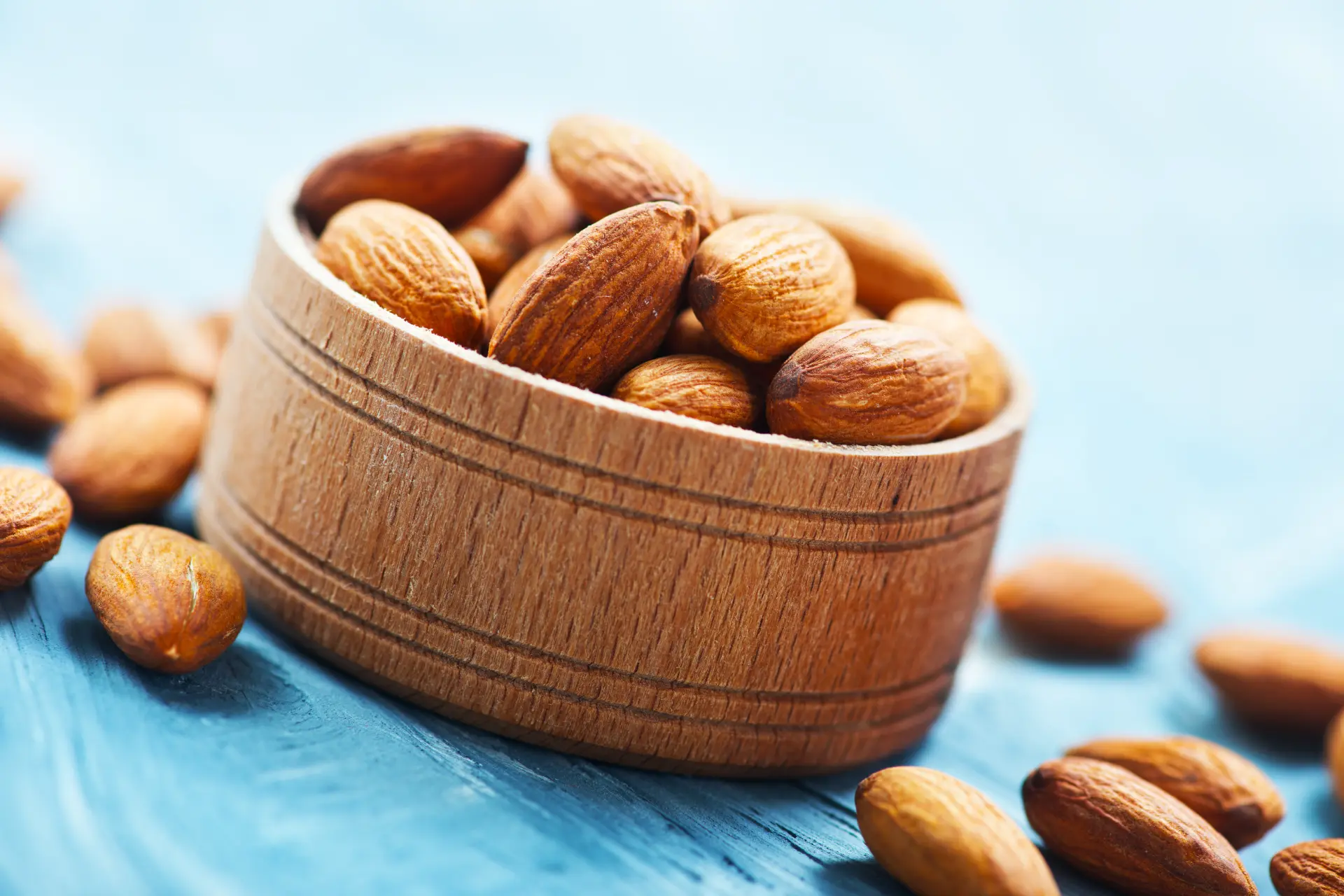
Today, we’re talking about almonds and almond milk, some foods that I was excited to find work well with MASLD recovery.
Nutritional Benefits of Almonds
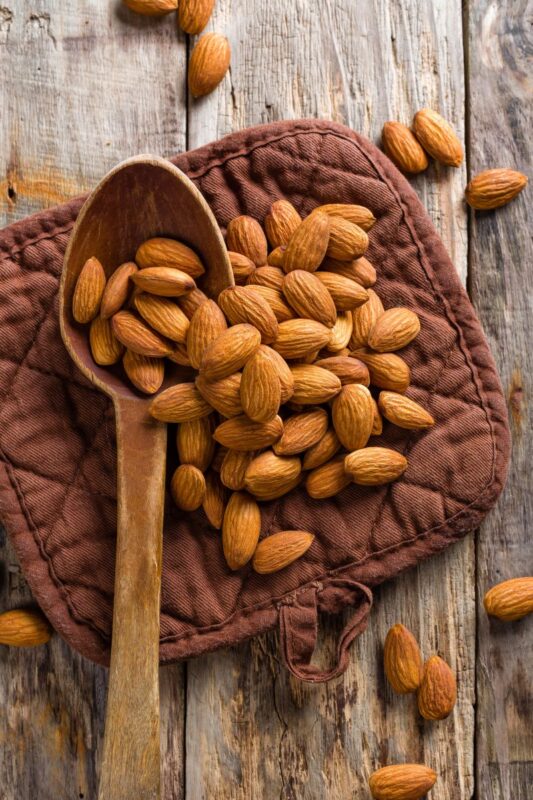
Although high in calories, almonds are also packed with vitamins, minerals, protein, and fiber – nutrients our bodies need. They also have plenty of fat – but what is considered “good fat” (monounsaturated), and that’s also something our body needs.
The standout nutrient here is vitamin E. This fat-soluble antioxidant is great at protecting liver cells from oxidative stress, meaning that it’s perfect for those with a fatty liver.
Almonds also contain high levels of magnesium and potassium. Magnesium helps control blood sugar and insulin resistance (and is also considered helpful in fighting stress, which is connected to MASLD), while potassium supports blood pressure regulation.
Fiber is another important nutrient offered by almonds. It helps keep digestion on track, and you’ll feel full longer and may find it easier to avoid overeating.
A 2021 clinical trial on vitamin E and steatotic liver disease demonstrated that almond consumption can lower harmful inflammation markers like C-reactive protein, interleukin 6, and tumor necrosis factor.
Participants in similar studies have shown improvements in controlling lipid and glucose levels, directly impacting and lowering ALT and AST liver enzymes.
Combined, these benefits support overall health, including heart health, which is important for those with fatty liver disease since cardiovascular problems can worsen outcomes.
Why the Almond Skin Matters (And Portion Size, too)
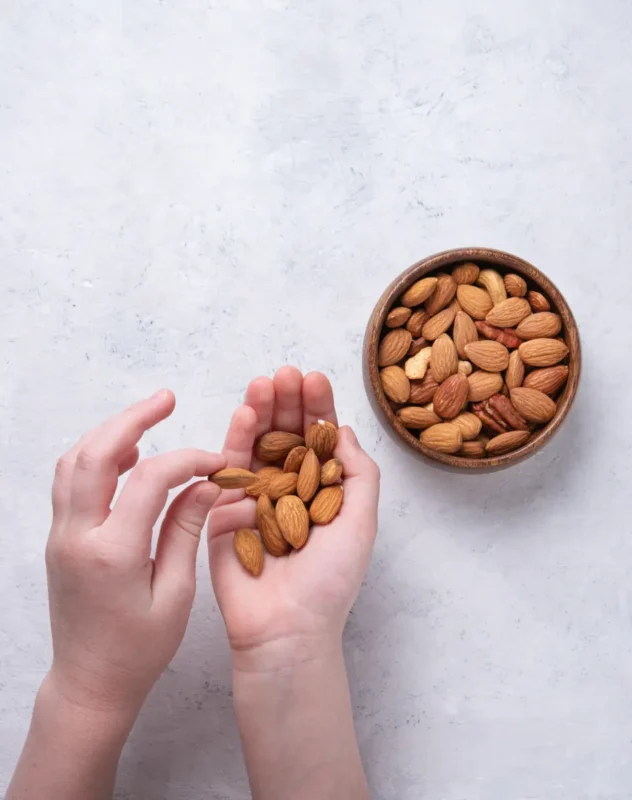
First of all, you should try to consume almonds hole, with their skin on, as it is packed with polyphenols. These plant compounds fight liver inflammation and maximize the antioxidant benefits of the vitamin E mentioned earlier.
Second, remember to keep servings small. A small handful of almonds (around 25-30 grams or around 25 almonds) is enough, especially if you need to lose weight to reverse fatty liver (and most of us do). That small handful alone has around 160 calories.
I rely on these as a daily snack because their crunchy nature makes them enjoyable to eat, and they keep me full just enough until the next meal.
Sprinkling a few crushed ones on a salad or over plain Greek yogurt works well too.
You can check out my previous article sharing healthy snack ideas for fatty liver if you need extra inspiration.
Almond Milk and Fatty Liver Disease
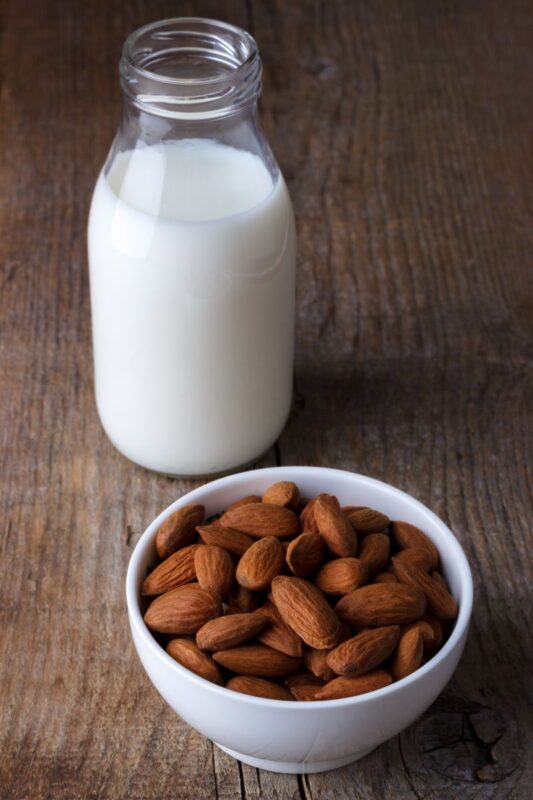
Even though processed, almond milk can be a solid alternative to regular milk (or just a nice addition to your diet).
Make sure to read the list of ingredients of store-bought versions, as they will usually have added sugars or additives that you don’t want to consume. Aim for products with minimal, clean ingredients.
Avoid any brand containing carrageenan. This is a controversial thickener linked to gut inflammation, which forces your liver to work harder to filter out the resulting toxins. Gums like guar or xanthan should also be avoided.
The easiest (albeit time-consuming) way to make sure your almond milk is as clean as possible is to make it yourself at home.
I personally find making almond milk at home a bit of a hassle, but if you enjoy kitchen experiments or want total control over what goes in your drink, the process is straightforward:
- Soak a cup of raw almonds in cold water overnight (preferably in the fridge).
- Drain and blend them with fresh water, a pinch of salt, and (optionally) a drop of real vanilla for flavor.
- Strain out the pulp through a cheesecloth (keep it and add it to oatmeal or baked goods), and you have fresh almond milk!
Pro Tip: If you want a creamier texture, blend with slightly warm water and a small spoonful of unsweetened coconut flakes. You’ll get a richer taste without added sugar, but with more fat.
Homemade almond milk usually lasts about 2–3 days in the refrigerator if sealed well. It’s not as good as lemon water, nor the supplement-like ACV, but it’s not as bad as sodas and other soft drinks either.
Remember: you don’t have to stop having dairy if you are diagnosed with NAFLD, but if you want an alternative, you can safely have almond milk instead of regular.
Associated Risks of Almonds in Fatty Liver Disease
Even though consuming almonds and almond milk if you have fatty liver disease can be beneficial – or at least not harmful – if you keep moderation in mind, there are a few potential cons to keep in mind.
Almonds, like many agricultural products, may carry a risk of contamination with aflatoxins (a fungus that can be both genotoxic and carcinogenic).
Reputable suppliers and proper handling can help you avoid this issue. Go for trusted brands or consider organic options to reduce pesticide exposure as well.
As noted before, almonds are calorie-dense. One cup (around 100 grams) packs about 579 calories, which is a lot. That’s why I always recommend moderation – and keeping portions small, because they are very nutritious.
If you have a known nut allergy (or allergies of any kind), be sure to consult with a healthcare provider before adding almonds or almond milk to your diet. Watch closely for adverse effects and seek medical advice if your body responds poorly.
Selecting the Best Forms of Almonds
Raw, roasted, and salted almonds aren’t all equal. Honey-roasted almonds, for example, are delicious but should be avoided, as they add extra sugar to your diet.
The same goes for any type of flavored almond (or almond milk) – you don’t need the additives or the extra sugar. Some would go as far as avoiding salted almonds too, especially if they want to keep sodium intake under control.
I eat raw or lightly roasted almonds with minimal (or no) salt, for example, and it works really well.
Some people soak raw almonds overnight to reduce certain compounds (often called antinutrients) and make them easier to digest.
This can be helpful if you find raw almonds a bit tough on your system. Soaked almonds are softer and may offer more accessible nutrients, although they are not as tasty.
How to Use Almonds and Almond Milk in Everyday Meals
Integrating a 28-gram portion into a balanced diet requires minor adjustments. I use these exact methods to keep my caloric intake in check while maximizing the benefits of vitamin E and fiber.
- Smoothies: Blend one cup of unsweetened, carrageenan-free almond milk with dark leafy greens, berries, and a measured tablespoon of natural nut butter.
- Overnight Oats: Soak oats in almond milk, then top with sliced almonds and fresh berries in the morning.
- Coffee and Tea: Use almond milk instead of coffee creamer for a lighter option.
- Salads: Add a small amount of almonds for extra crunch and flavor.
Wrapping Up
Almonds and almond milk won’t singlehandedly fix a fatty liver. They’re part of a bigger strategy that includes a balanced, liver-friendly diet, regular physical activity, and weight management.
At the same time, as long as you keep quantity and quality in mind, you can still have these even on a daily basis.
Feel free to share your favorite almond tips and recipes in the comments. I love discovering new ways to incorporate these into my daily routine.
Enjoying this content? Support the site on Patreon to help fuel future guides and resources! Thank you!

I was diagnosed with fatty liver in 2014 and successfully reversed it by mid-2015 using a natural diet and lifestyle changes. Since then, I’ve dedicated over a decade to researching this condition and helping others navigate their own recovery. I am the author of ‘From Fatty Liver to Healthy Liver’ and the founder of this community. My goal is to translate complex medical studies into practical, real-world advice that actually works, combined with my personal experience on the matter.